Swan
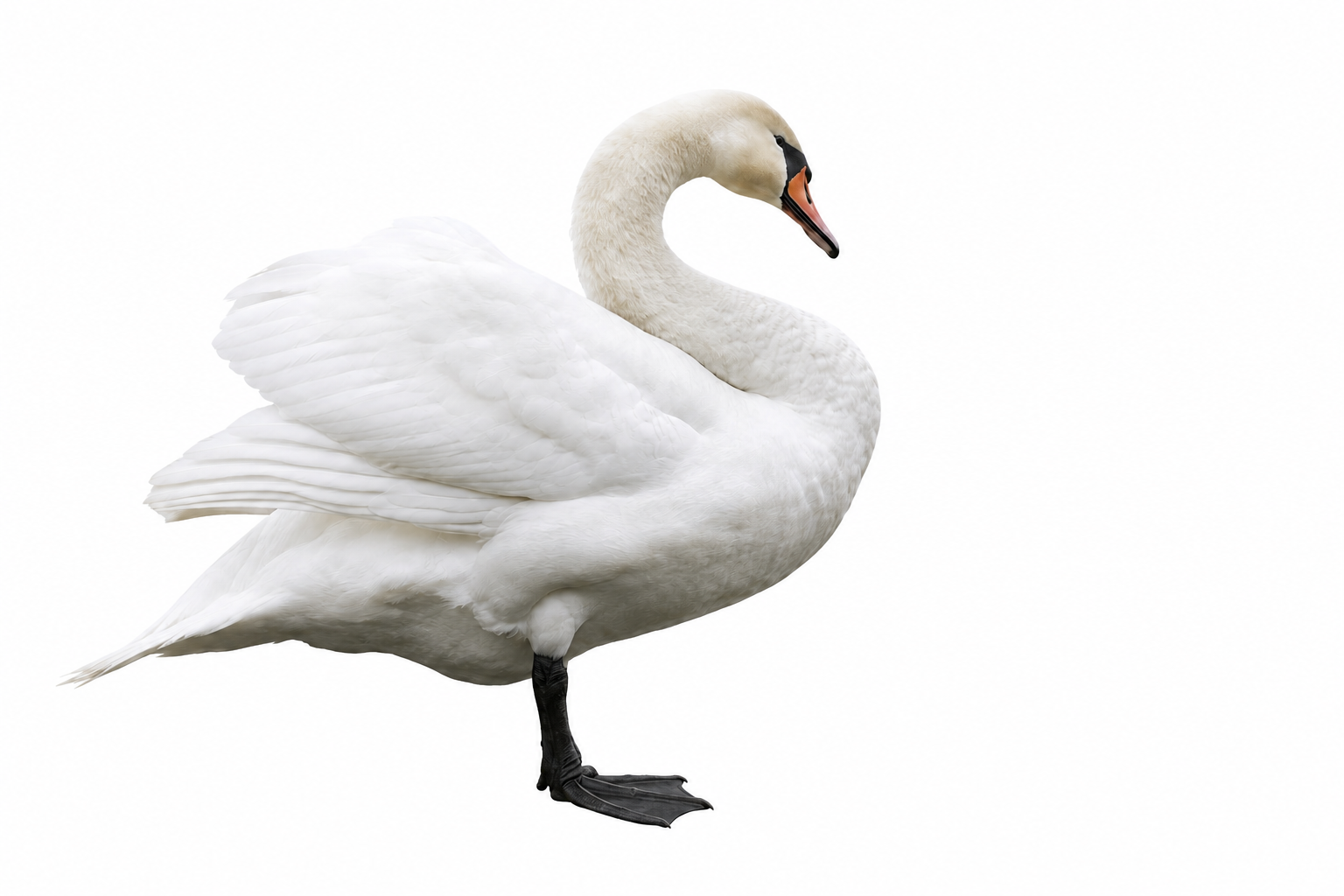
A graceful water bird with a long neck.
Habitat: Lakes and rivers
Feature: Long neck
Learn. Grow. Succeed.
Picture learning for early readers
Explore common birds with clear pictures, simple facts, habitats, body features, and short learning activities for home or classroom use.
Look, say, sort, and learn
Birds are animals with feathers, beaks, wings and two legs. Many birds fly, but some birds, such as ostriches, cannot fly and use their strong legs to run.
This bird list is designed for young learners. Each bird card opens a separate lesson page with a picture, fun facts, simple reading practice and activity ideas.
A graceful water bird with a long neck.
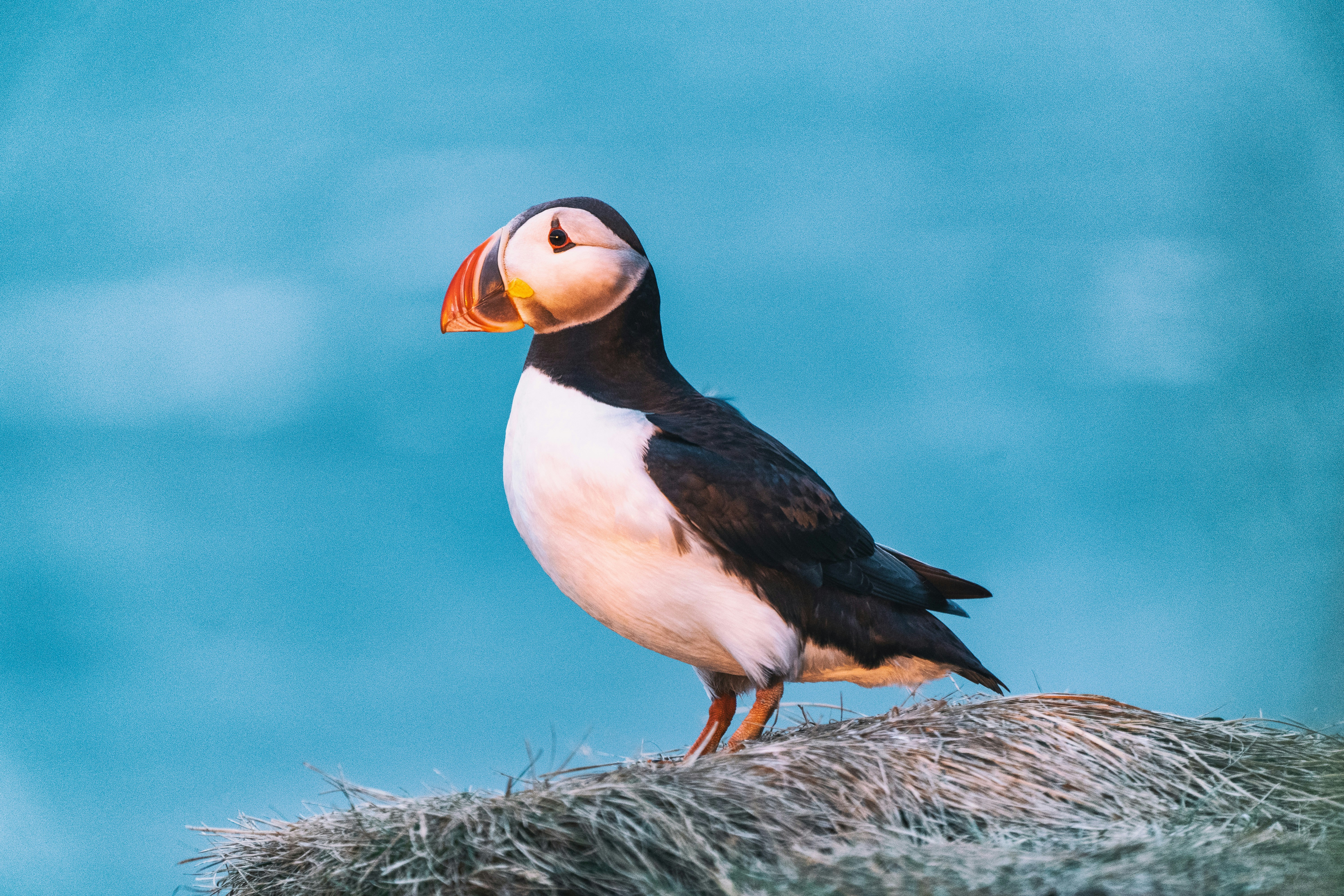
A sea bird with a bright, colourful beak.
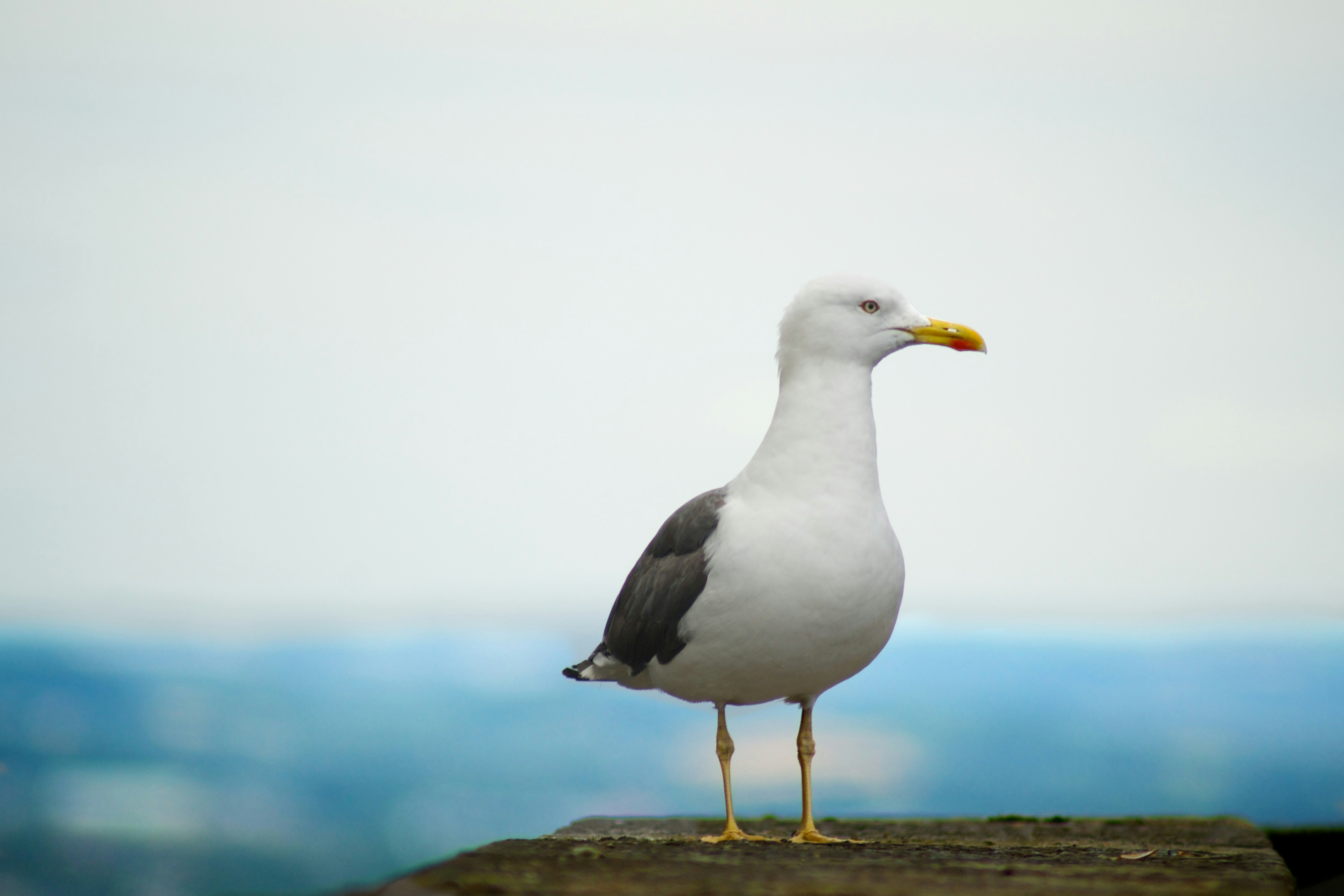
A coastal bird often seen near the sea.
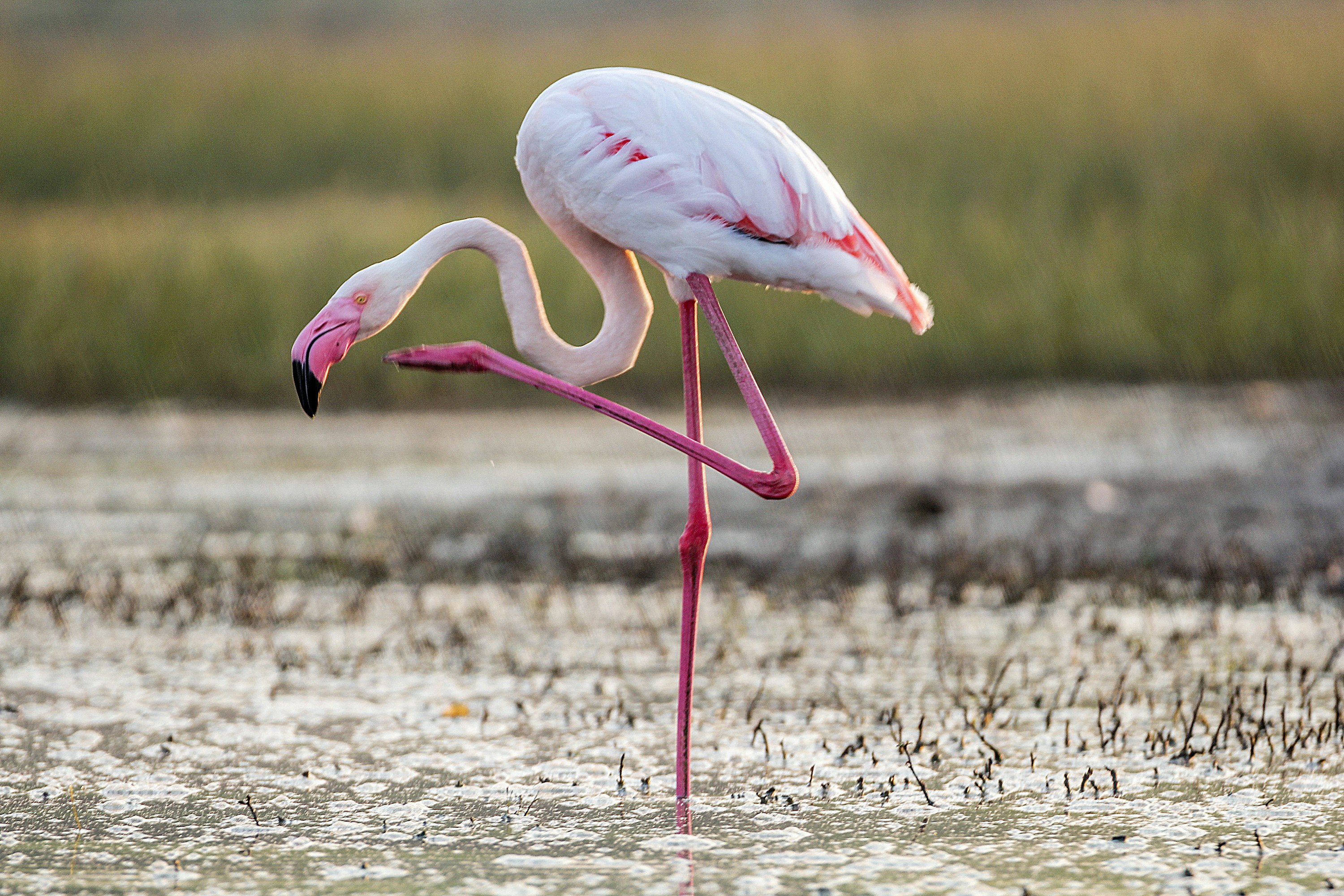
A tall pink bird that often stands on one leg.
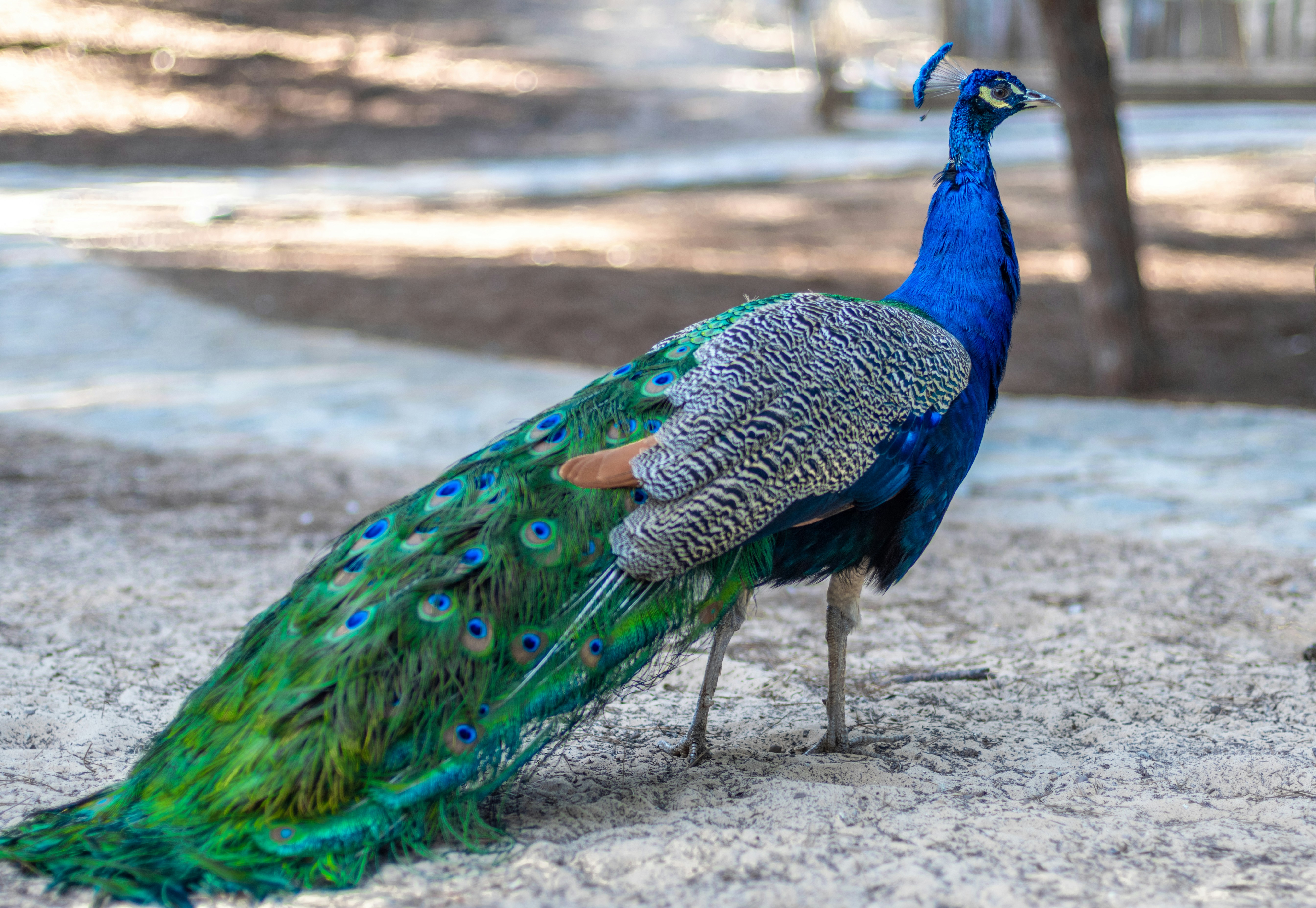
A colourful bird famous for its beautiful tail feathers.
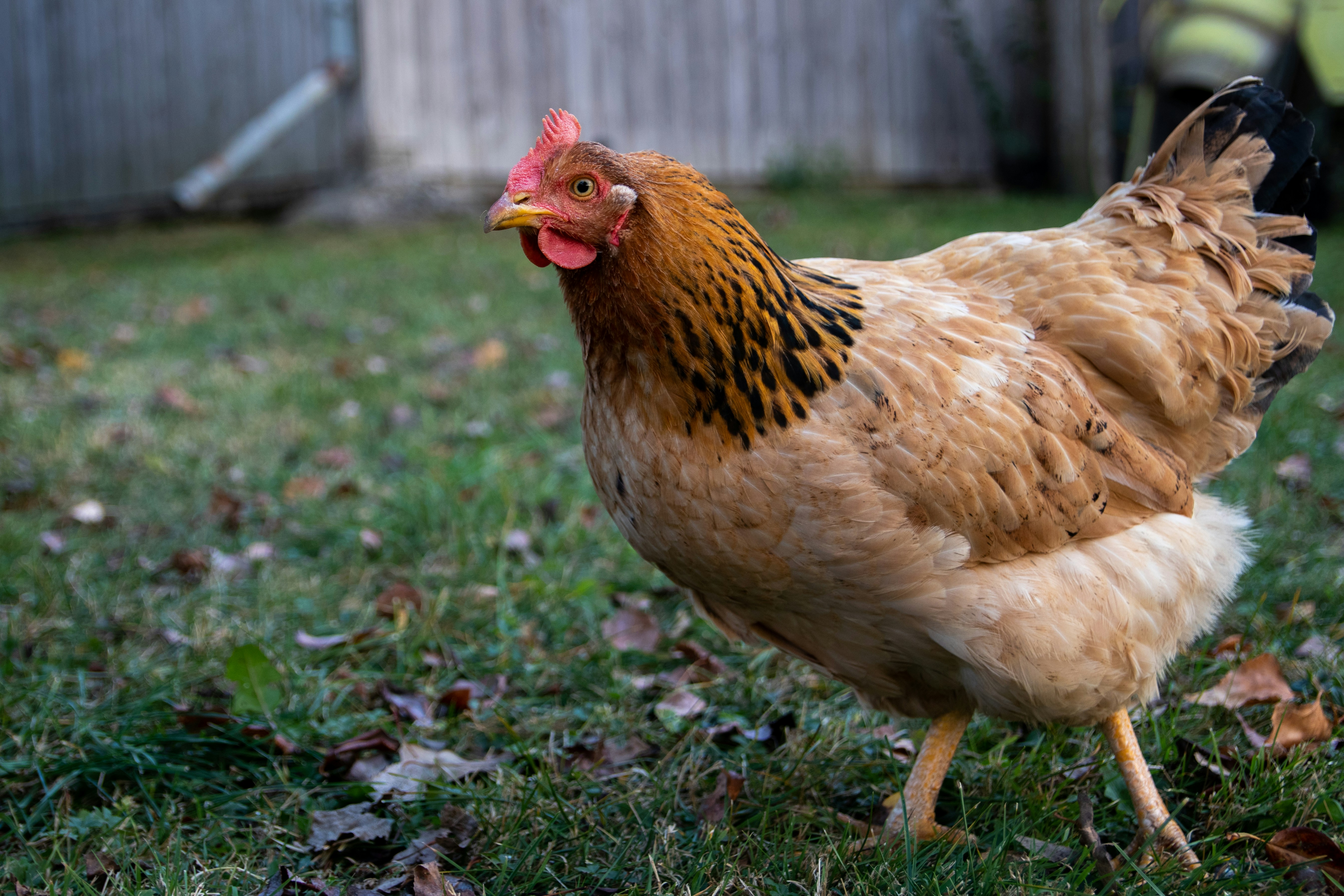
A farm bird that can lay eggs.
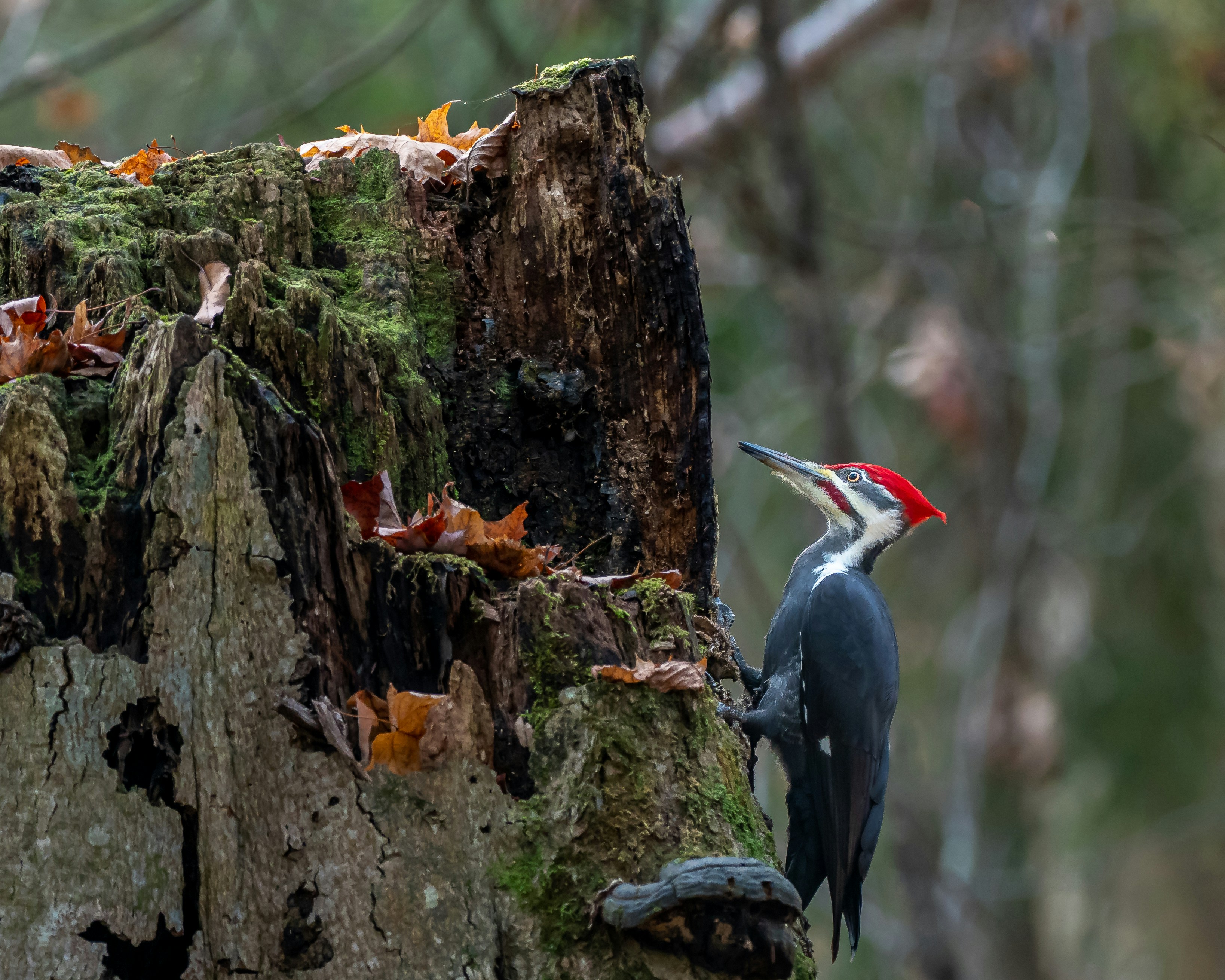
A bird that taps tree trunks with its strong beak.
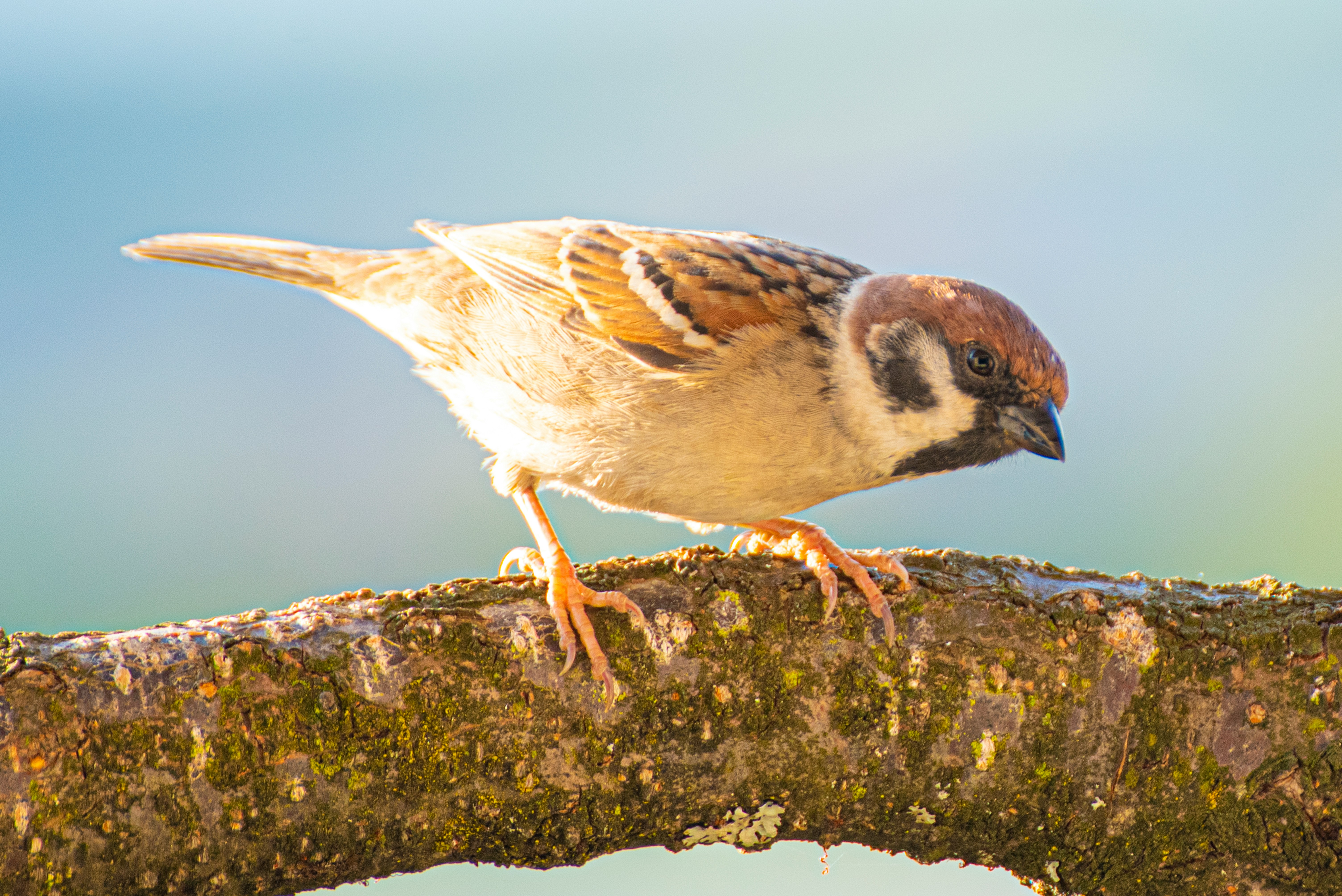
A small bird often seen in gardens and parks.
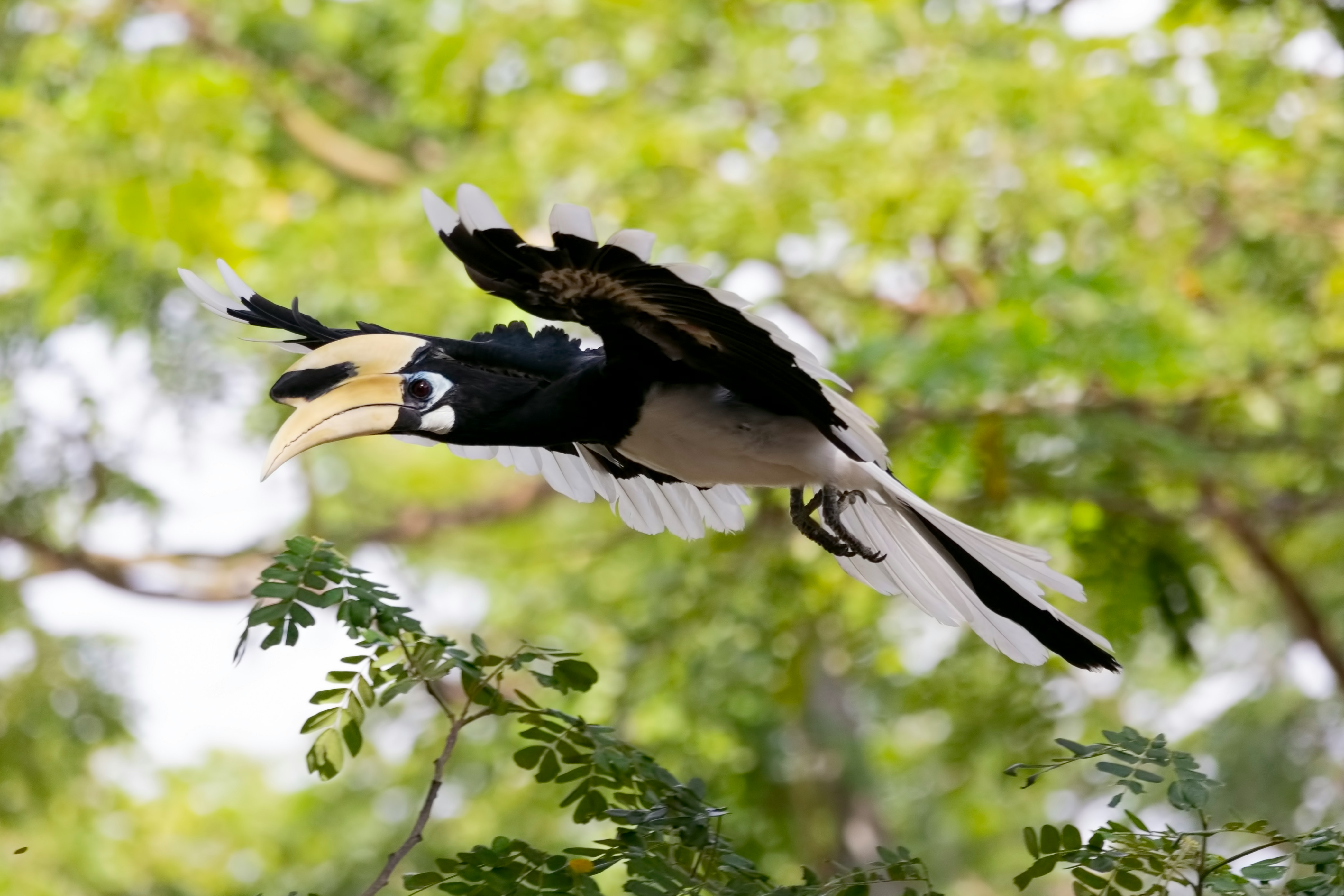
A bird with a large curved beak.
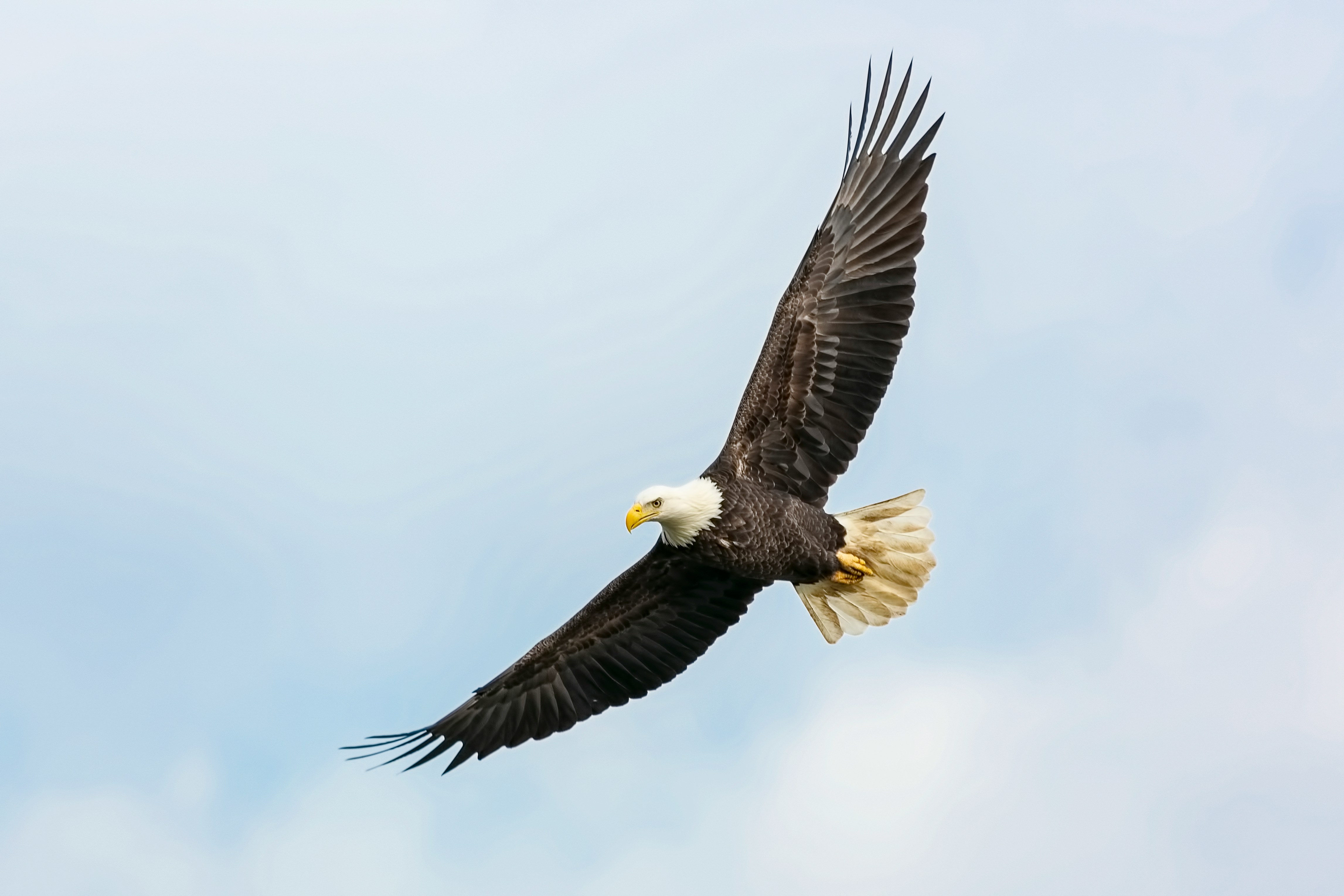
A powerful bird of prey with sharp eyesight.
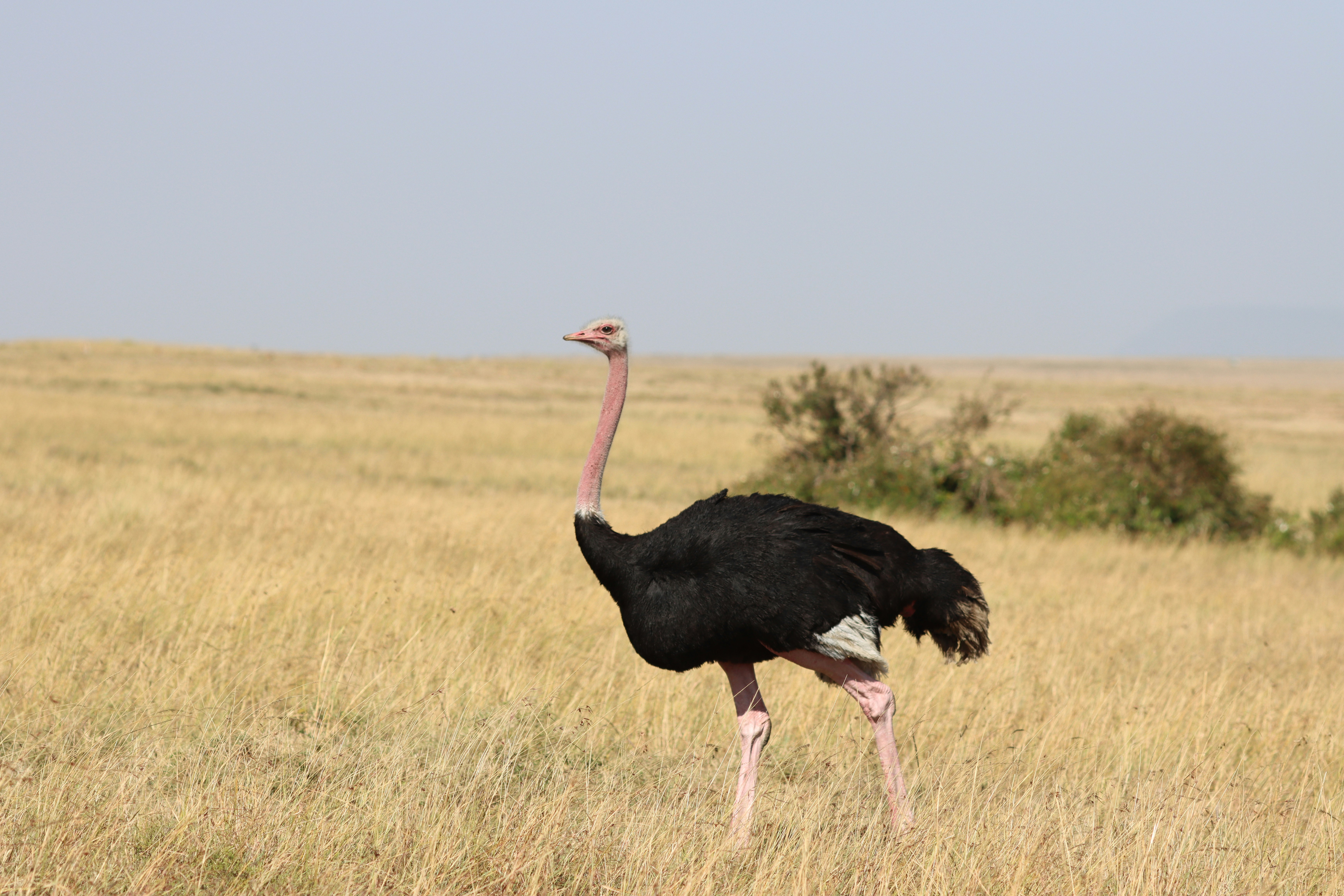
A very large bird that runs fast but cannot fly.
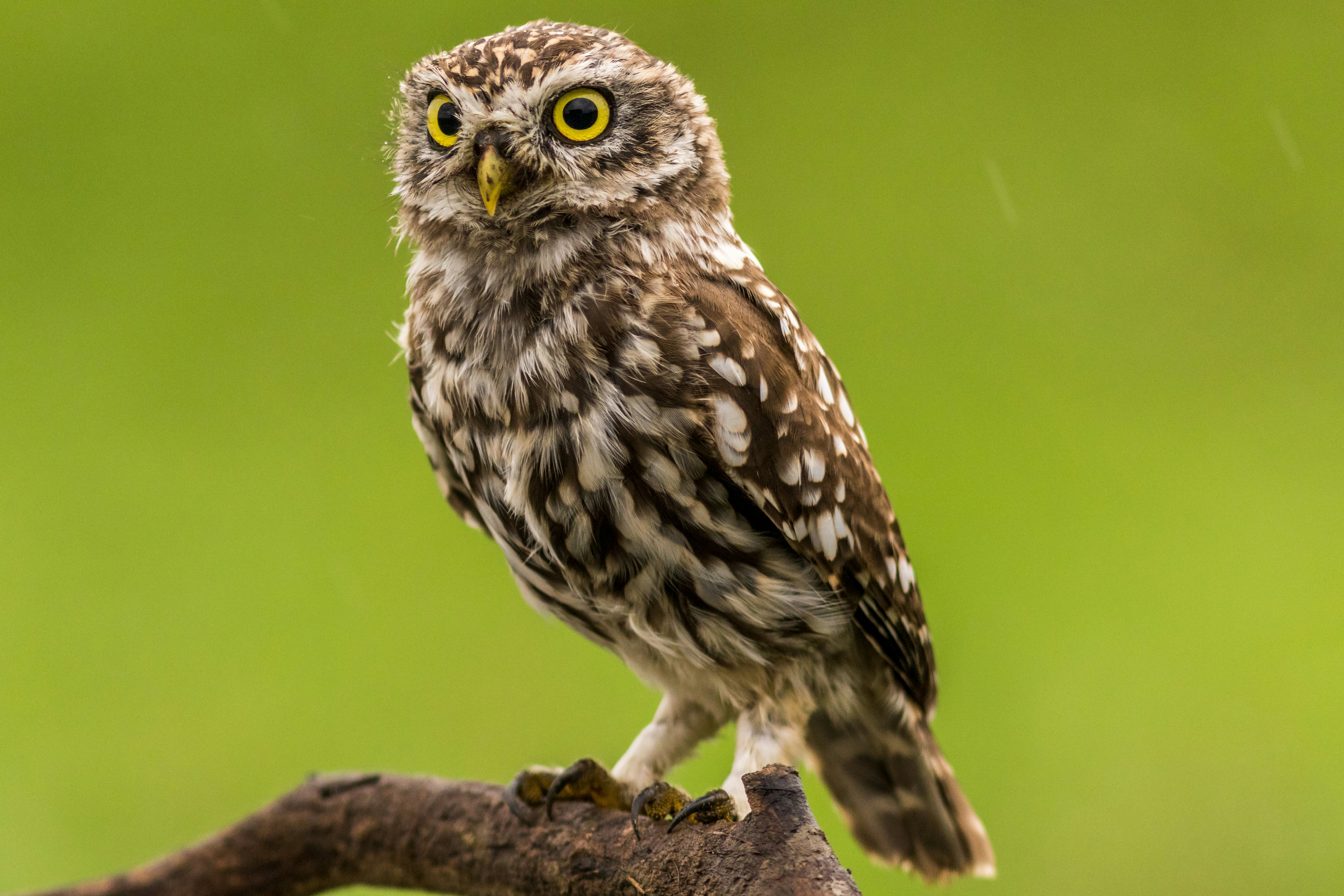
A night bird with big eyes and quiet wings.
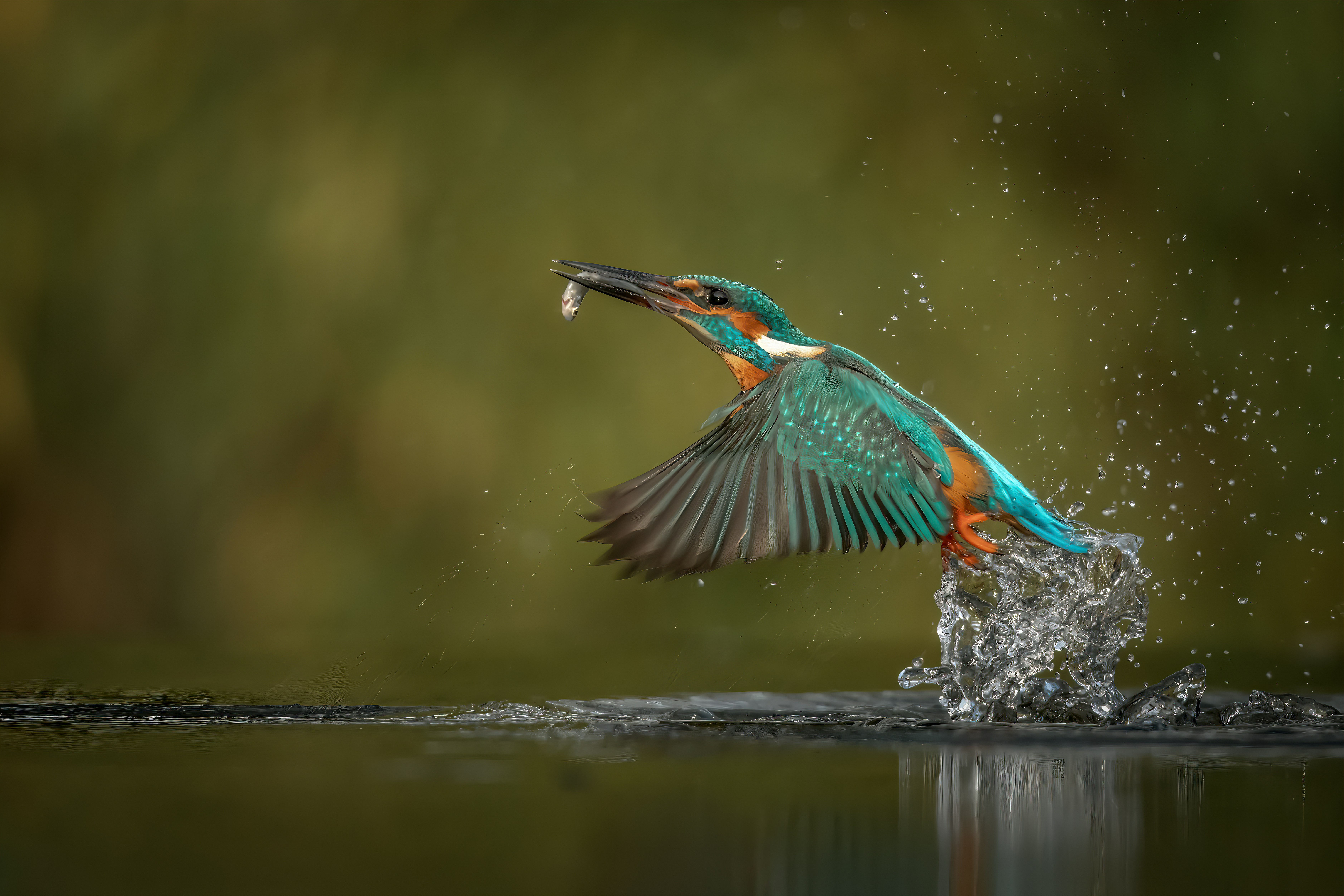
A bright bird that catches fish near rivers.
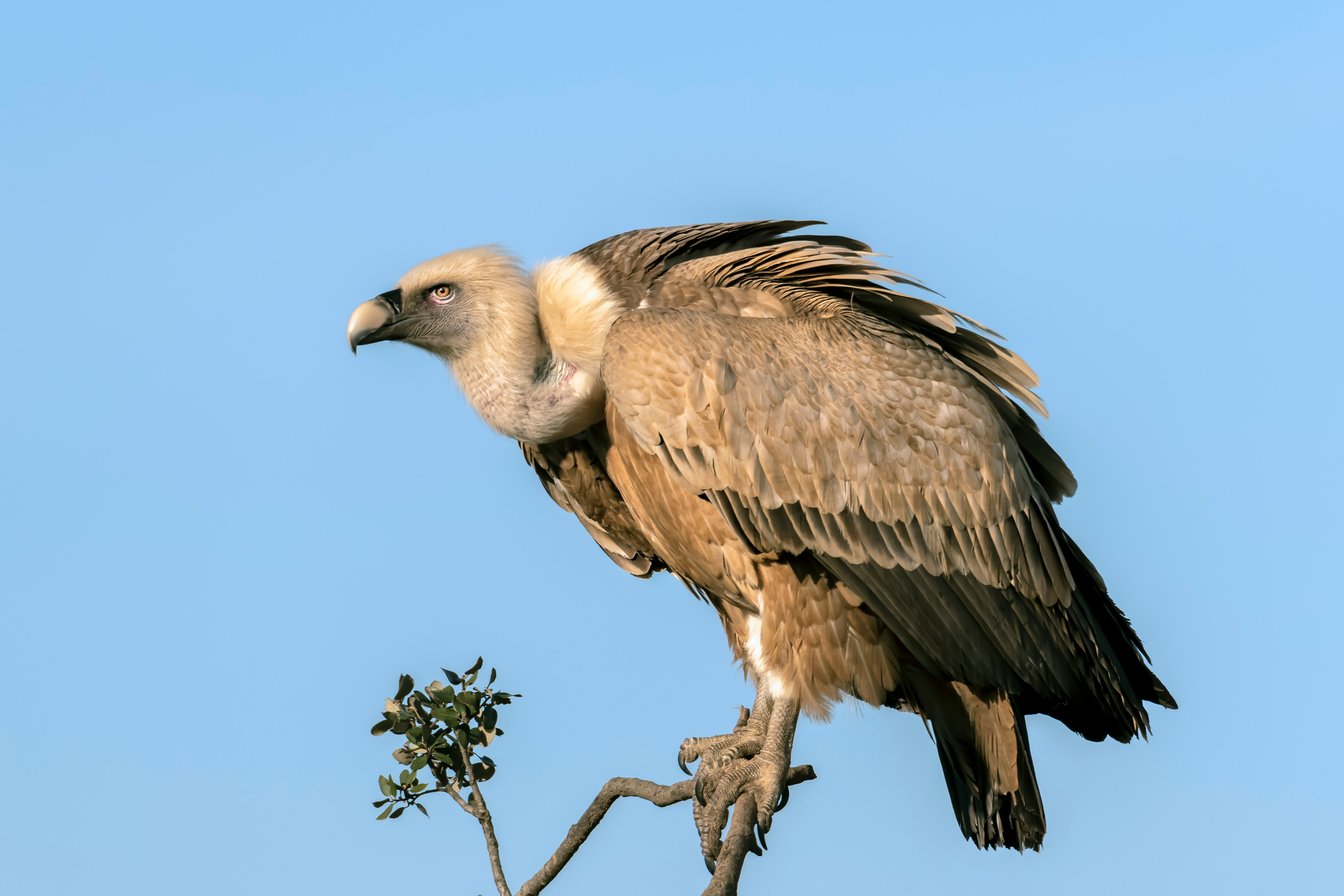
A large bird that helps clean the environment.
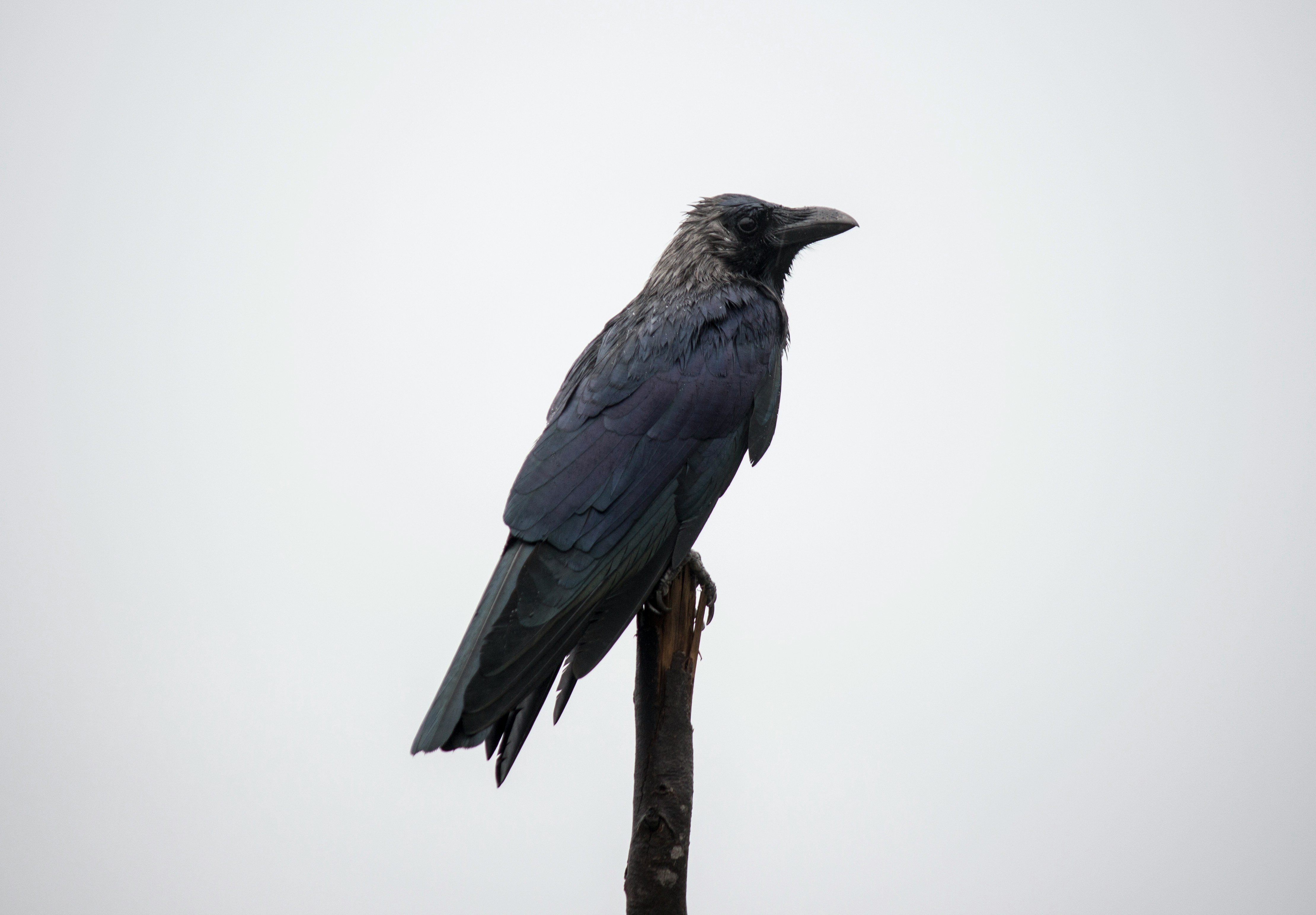
A clever black bird with a loud call.
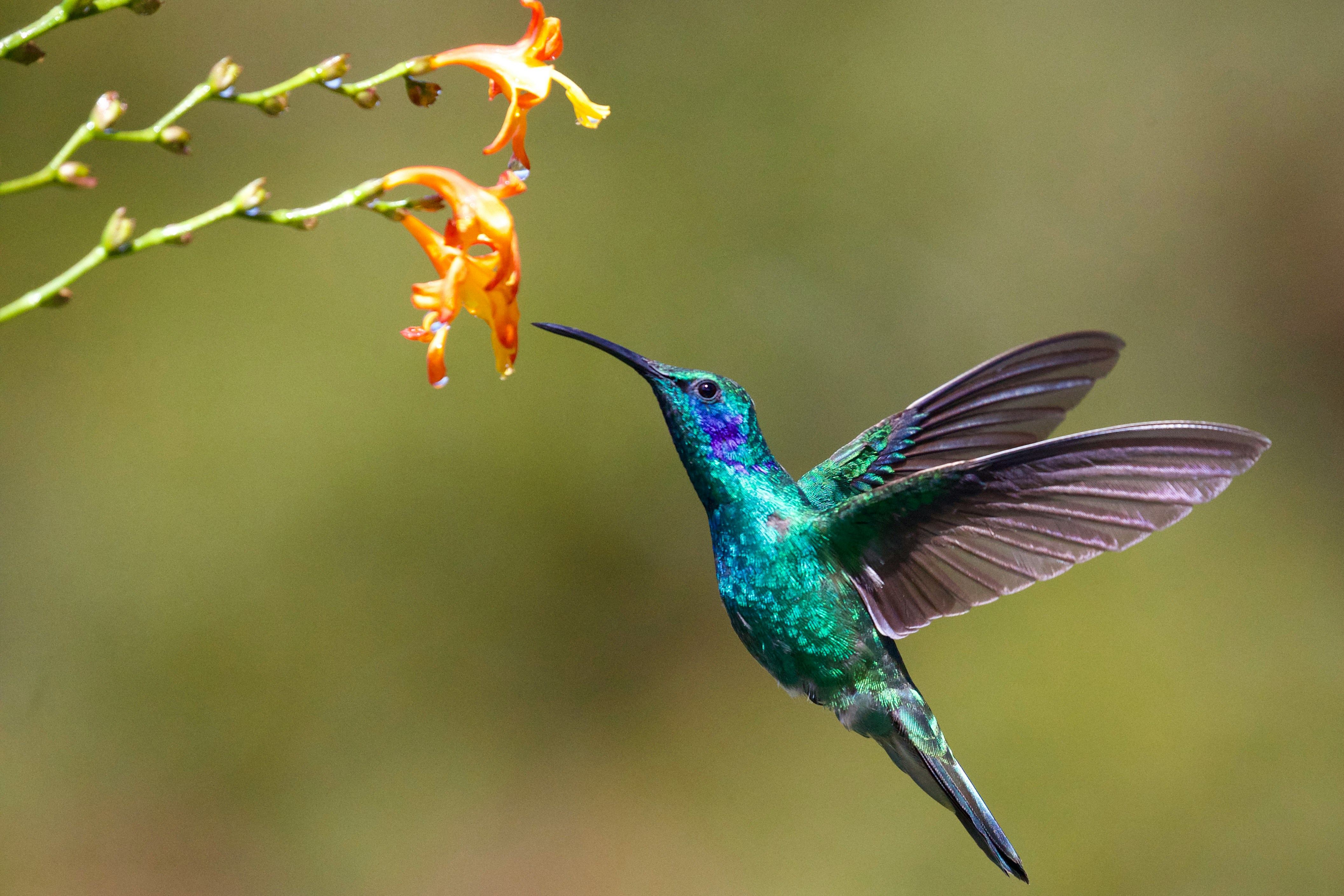
A tiny bird that can hover while drinking nectar.
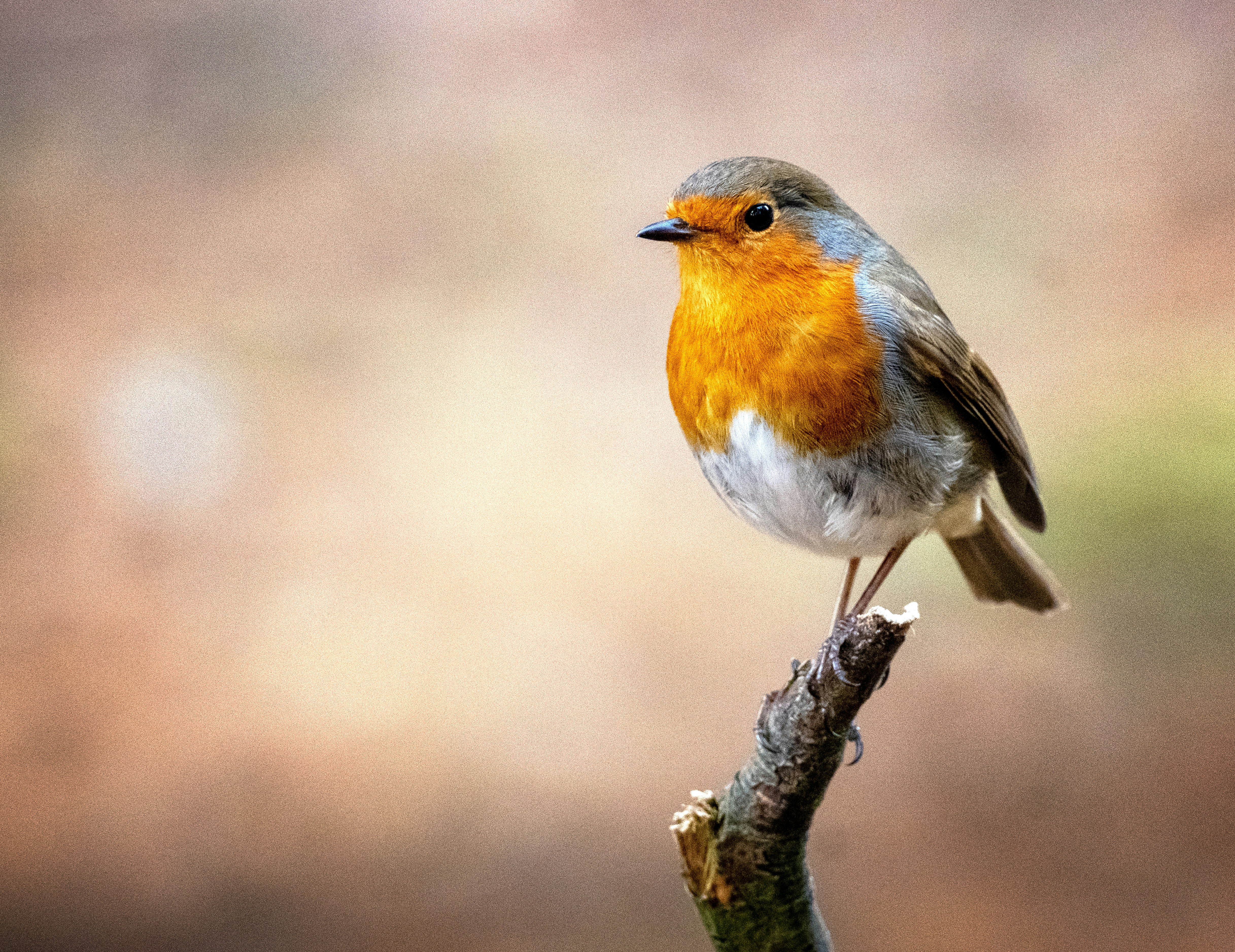
A small garden bird with an orange-red chest.
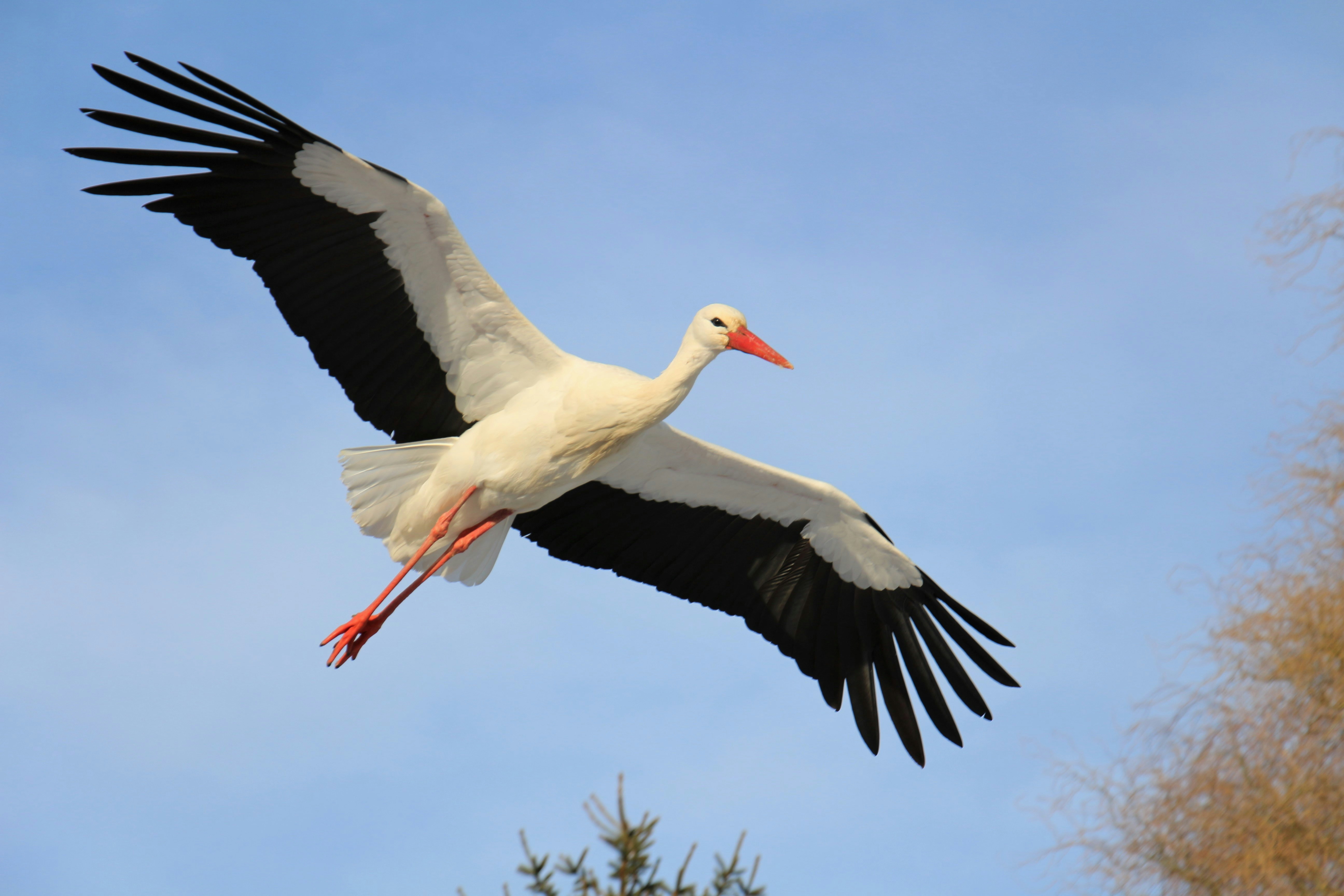
A tall bird with long legs and a long beak.
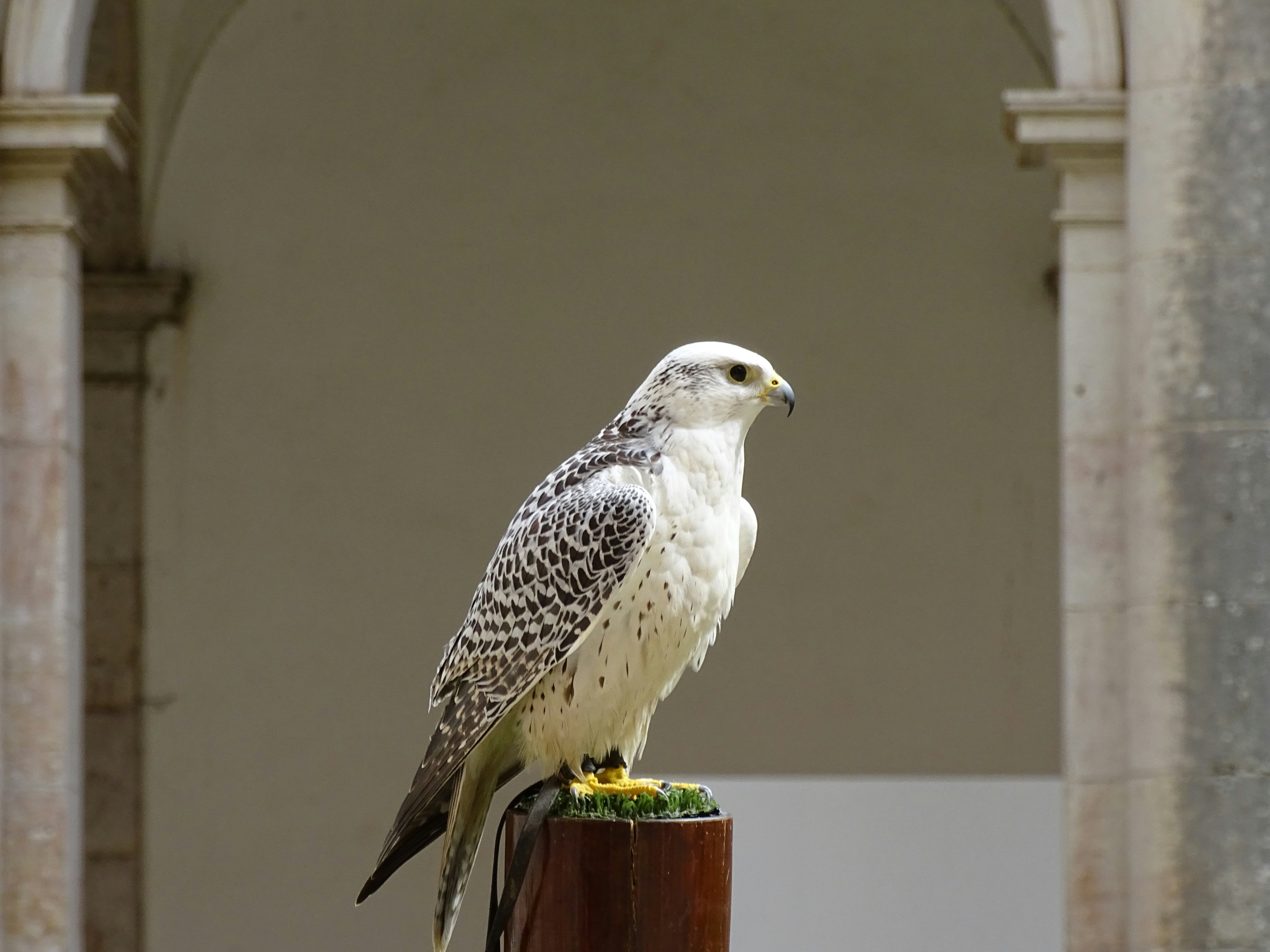
A fast bird of prey that hunts while flying.
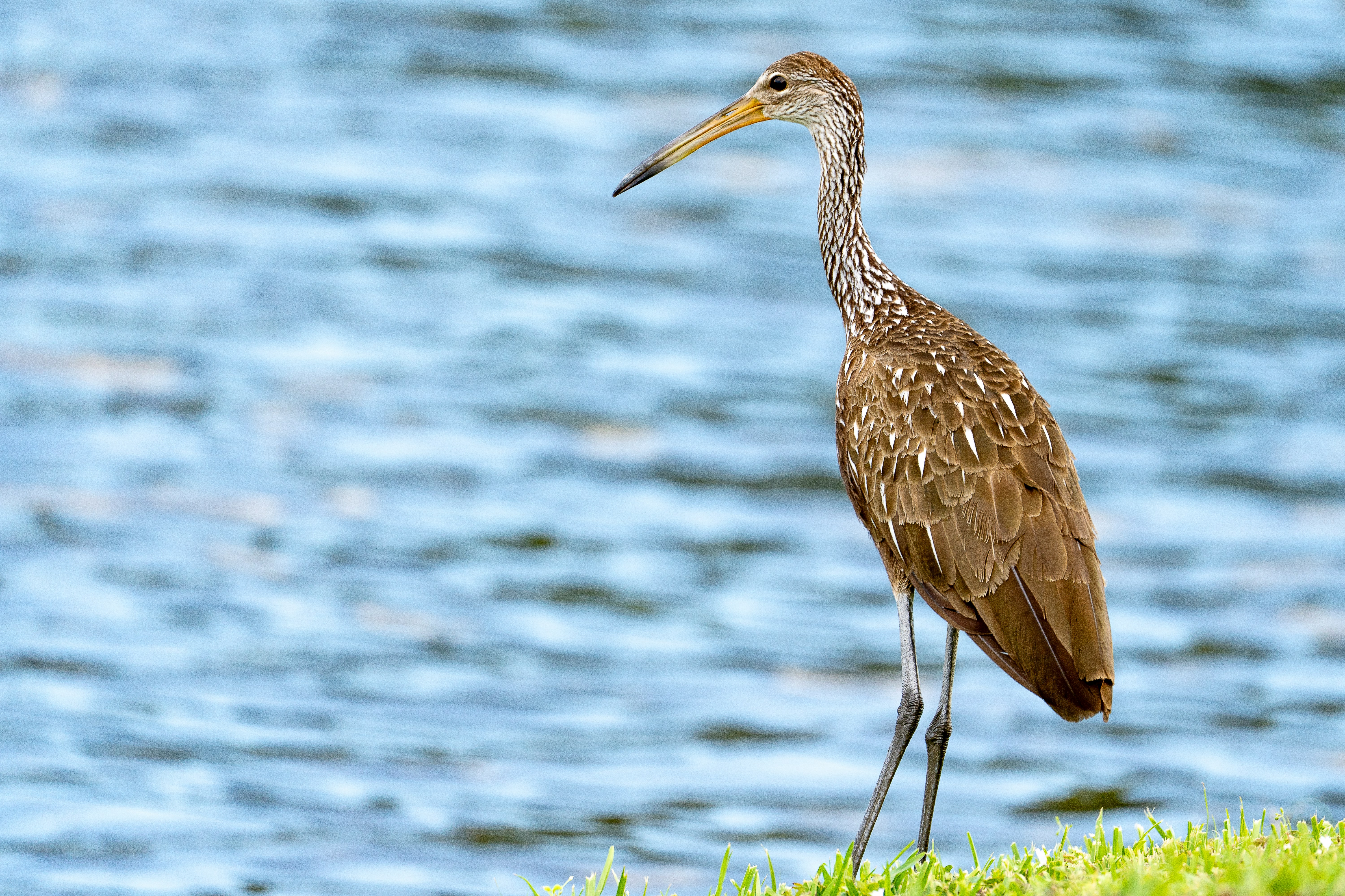
A tall bird with long legs often found near water.
Habitats help children connect each bird with a place it might be found.
Body part words help children describe birds clearly.
Sorting supports observation, comparison and early science skills.
Quick classroom activity
Which bird has a long neck and swims on water?
Which bird hunts at night and has big eyes?
Which bird runs fast but cannot fly?
Which bird is famous for colourful tail feathers?
For grown-up helpers
Ask children to point to each bird picture and say its name aloud.
Compare beaks, legs, feathers and colours across different birds.
Open each bird lesson page for fun facts, simple sentences and short oral answers.
After learning bird names, use animal names, fruit names and printable worksheets for extra vocabulary and sorting practice.