What Is a Stork?
The word stork is useful for early science and reading because children can connect the picture, sound, habitat, food, and body parts together.
Say the bird name aloud, look carefully at the picture, and describe what you notice.
Learn. Grow. Succeed.
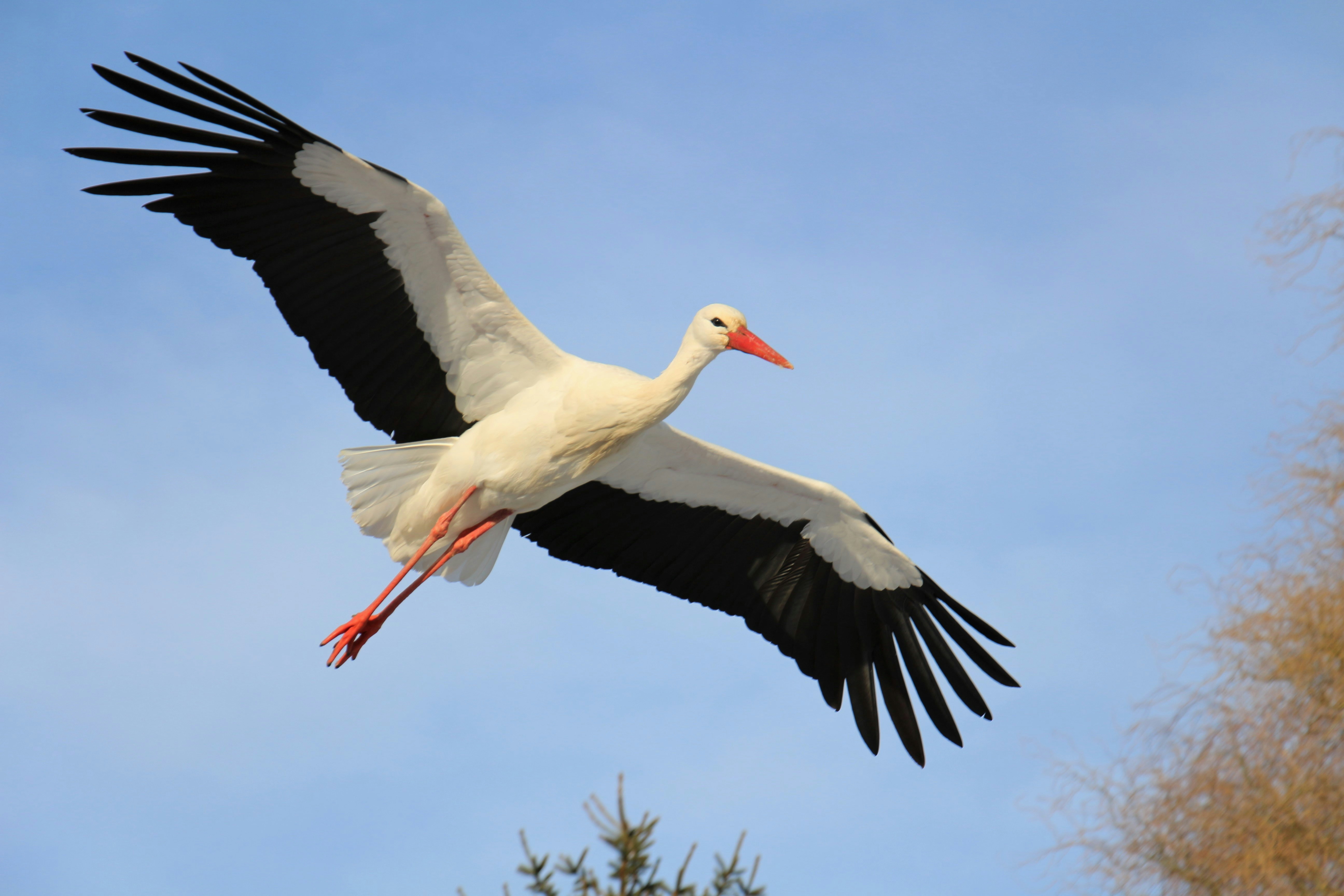
A stork is a tall bird with long legs, a long neck, and a long beak. Storks often walk through wetlands looking for food.
The word stork is useful for early science and reading because children can connect the picture, sound, habitat, food, and body parts together.
Say the bird name aloud, look carefully at the picture, and describe what you notice.
Easy: I see a stork.
Medium: The stork has long legs.
Challenge: A stork uses its long beak to catch food in wetlands.
Ask the child to read the sentence, point to the bird picture, and say the bird name clearly.
Ask children to pretend their fingers are long stork legs walking through water on a table.
This activity supports vocabulary, observation, movement, and simple speaking practice.
Check understanding
Read each question, say your answer aloud, then check the teacher note.
Where does a stork live?
A stork can live in wetlands, marshes, grasslands, and open places near water.
What does a stork eat?
A stork eats fish, frogs, insects, and small animals.
Which body part is important for this bird?
An important feature is its long legs and long beak.
Use the word stork in a sentence.
Accept any clear sentence that uses the word stork.