What Is a Robin?
The word robin is useful for early science and reading because children can connect the picture, sound, habitat, food, and body parts together.
Say the bird name aloud, look carefully at the picture, and describe what you notice.
Learn. Grow. Succeed.
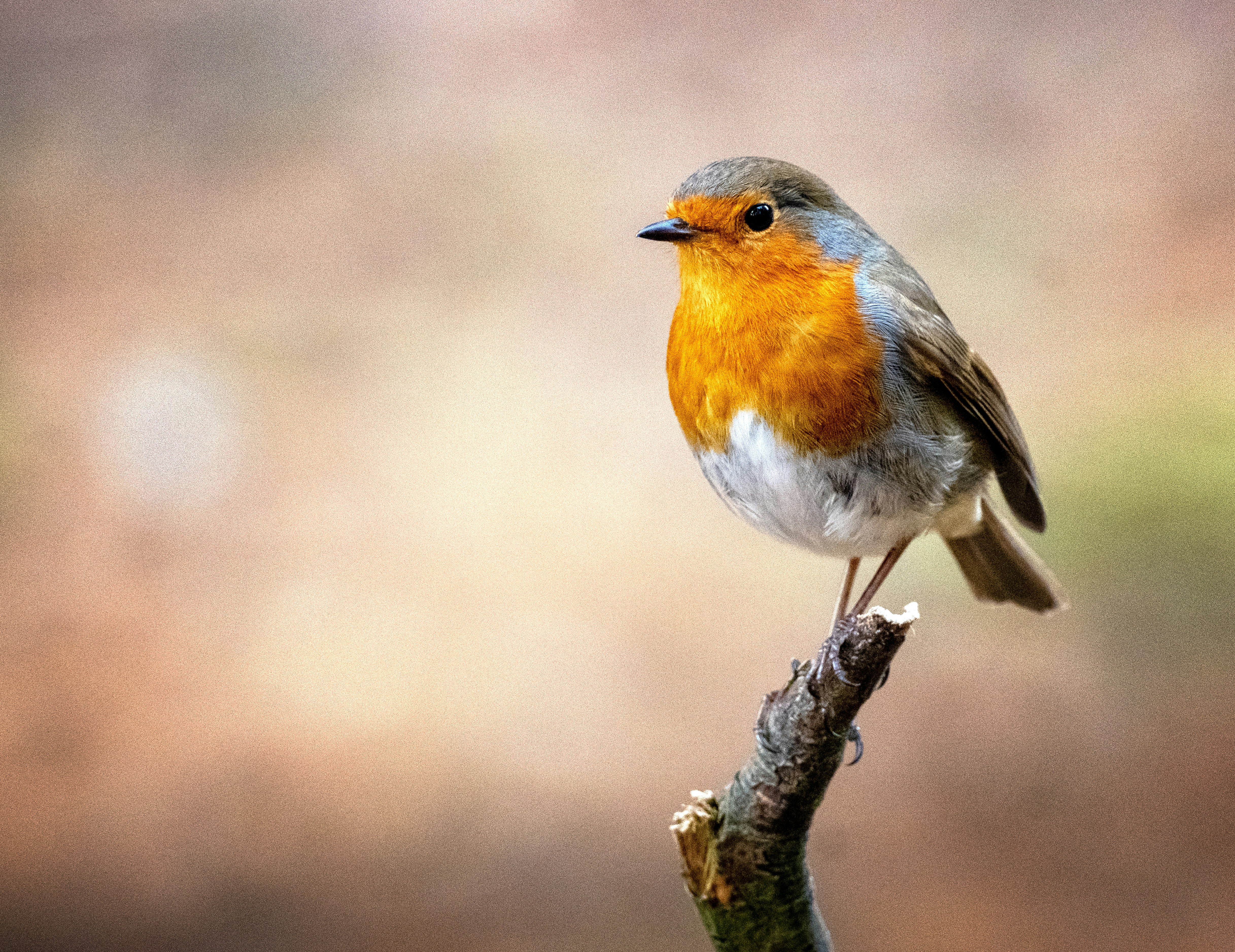
A robin is a small garden bird with an orange-red chest. Robins often perch on branches, fences, and garden tools.
The word robin is useful for early science and reading because children can connect the picture, sound, habitat, food, and body parts together.
Say the bird name aloud, look carefully at the picture, and describe what you notice.
Easy: I see a robin.
Medium: The robin has an orange-red chest.
Challenge: A robin hops in the garden and looks for worms.
Ask the child to read the sentence, point to the bird picture, and say the bird name clearly.
Ask children to find orange-red objects and compare the colour with a robin chest.
This activity supports vocabulary, observation, movement, and simple speaking practice.
Check understanding
Read each question, say your answer aloud, then check the teacher note.
Where does a robin live?
A robin can live in gardens, hedges, parks, woodlands, and fields.
What does a robin eat?
A robin eats worms, insects, berries, and small seeds.
Which body part is important for this bird?
An important feature is its orange-red chest.
Use the word robin in a sentence.
Accept any clear sentence that uses the word robin.