Dolphin

An intelligent marine mammal that breathes air through a blowhole.
Habitat: Open ocean and coast
Feature: Streamlined body

Learn. Grow. Succeed.
Dive into an underwater world
Meet fascinating animals from coral reefs, rocky shores, the seabed and the open ocean. Look at each picture, learn the animal's name, and discover the features that help it live in water.
Observe, compare, and care
Sea animals live for all or part of their lives in salt water. Oceans contain many habitats, from sunny rock pools and coral reefs to cold, dark water far below the surface.
Not every sea animal is a fish. Dolphins, whales and sea lions are mammals that breathe air. Penguins are birds, sea turtles are reptiles, and octopuses are molluscs. Fish such as sharks and seahorses use gills to take oxygen from water.
We can help ocean wildlife: take litter home, use less single-use plastic, and watch animals without touching or disturbing them.
Choose a learning level
Look at the pictures, say each sea animal's name and copy a simple movement, such as swimming or scuttling.
Find fins, flippers, shells and tentacles, then match each animal to an ocean home.
Compare body features, sort animals into groups, learn new ocean words and try the quiz.
An intelligent marine mammal that breathes air through a blowhole.
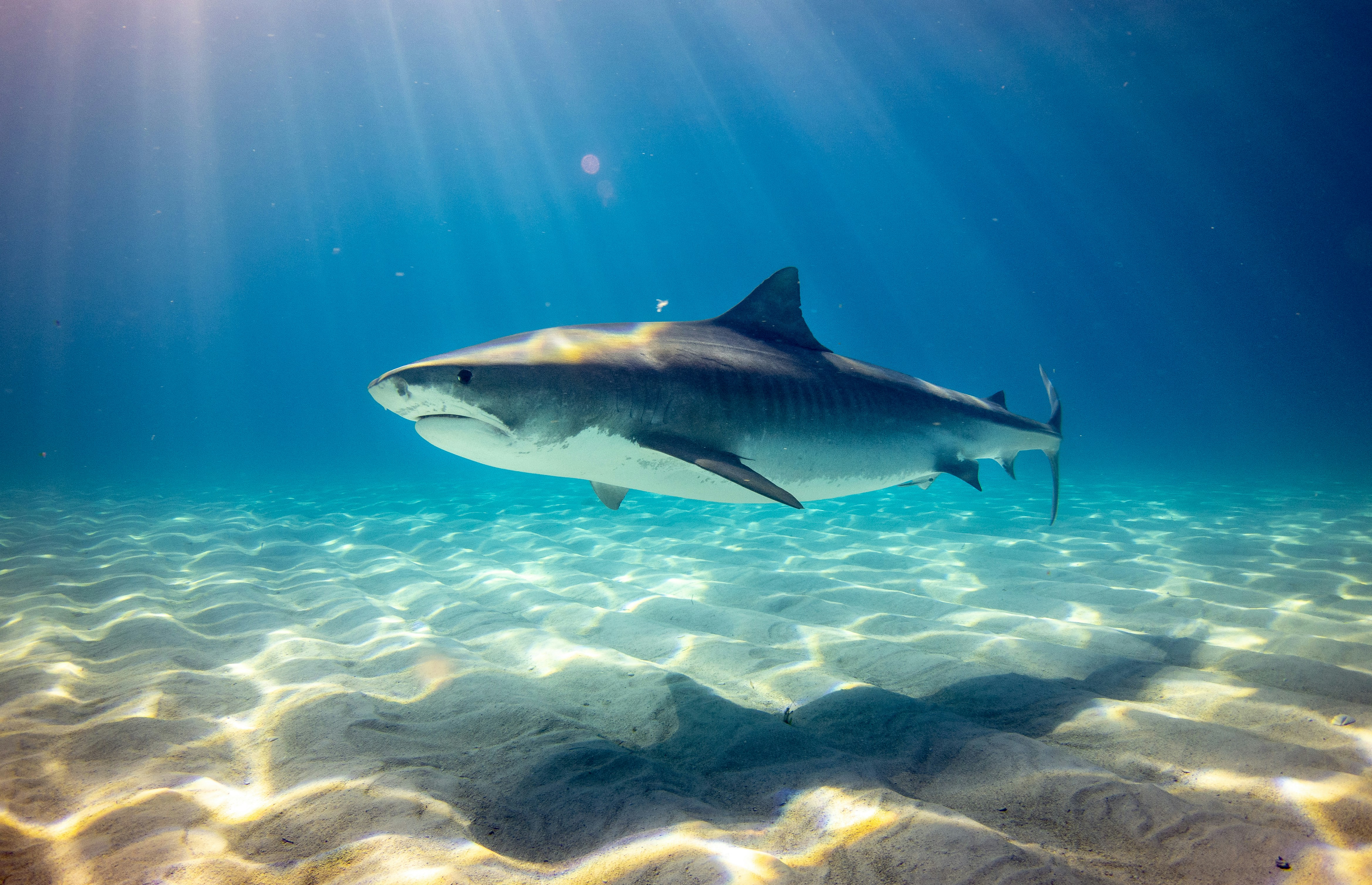
A fish with a skeleton made of cartilage and rows of replaceable teeth.
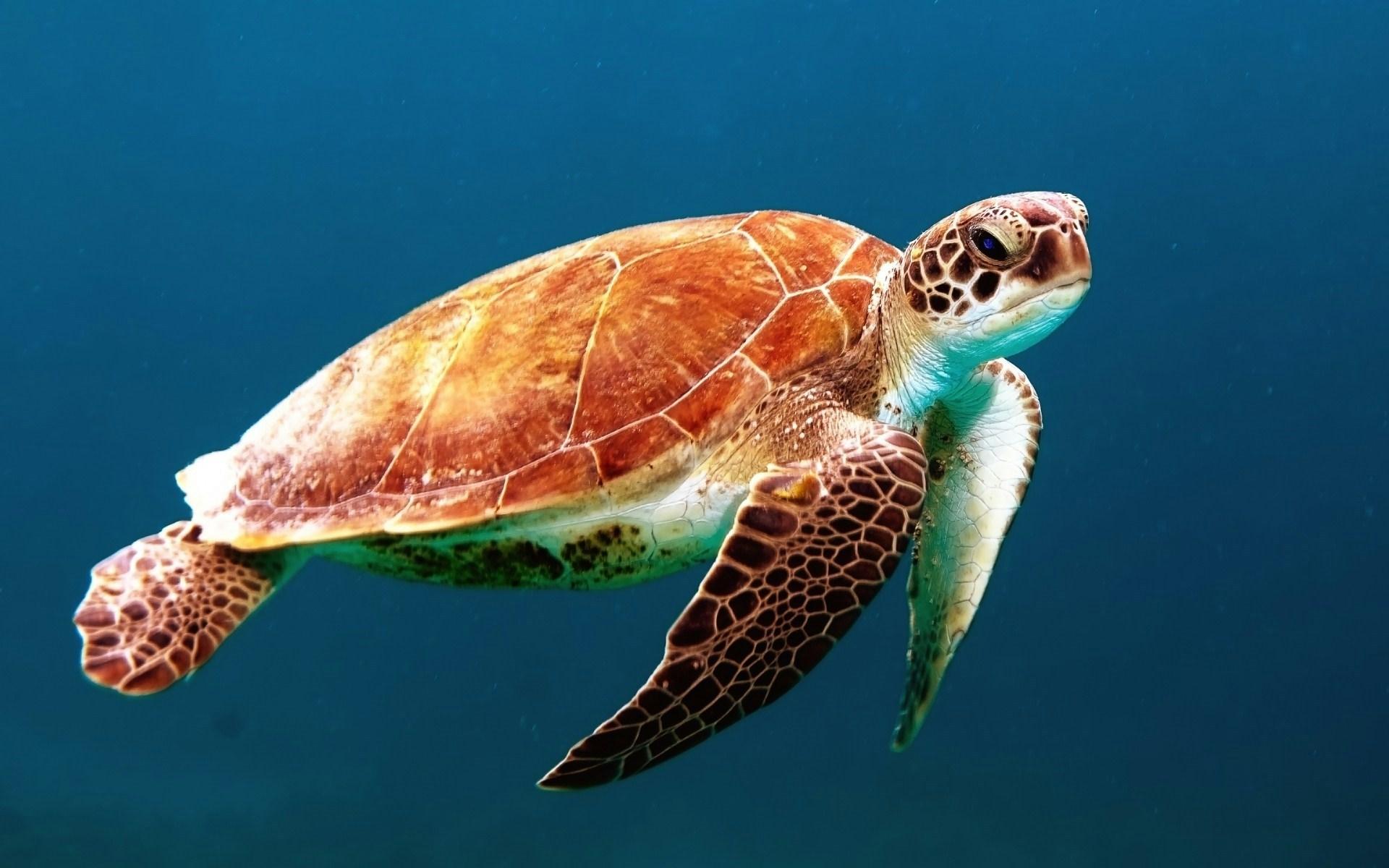
A marine reptile that breathes air and uses strong flippers to swim.
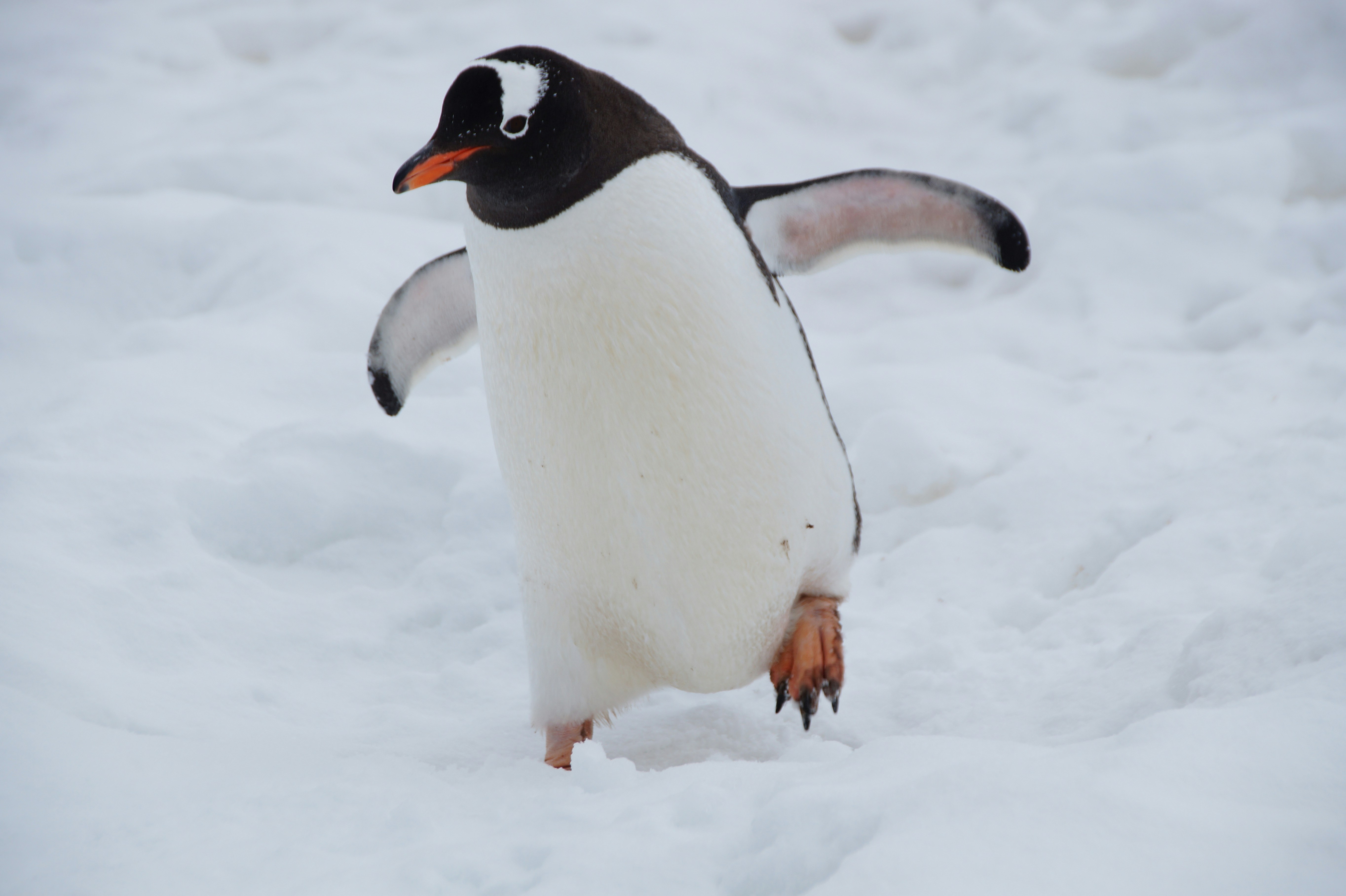
A flightless seabird whose flipper-like wings help it swim after food.
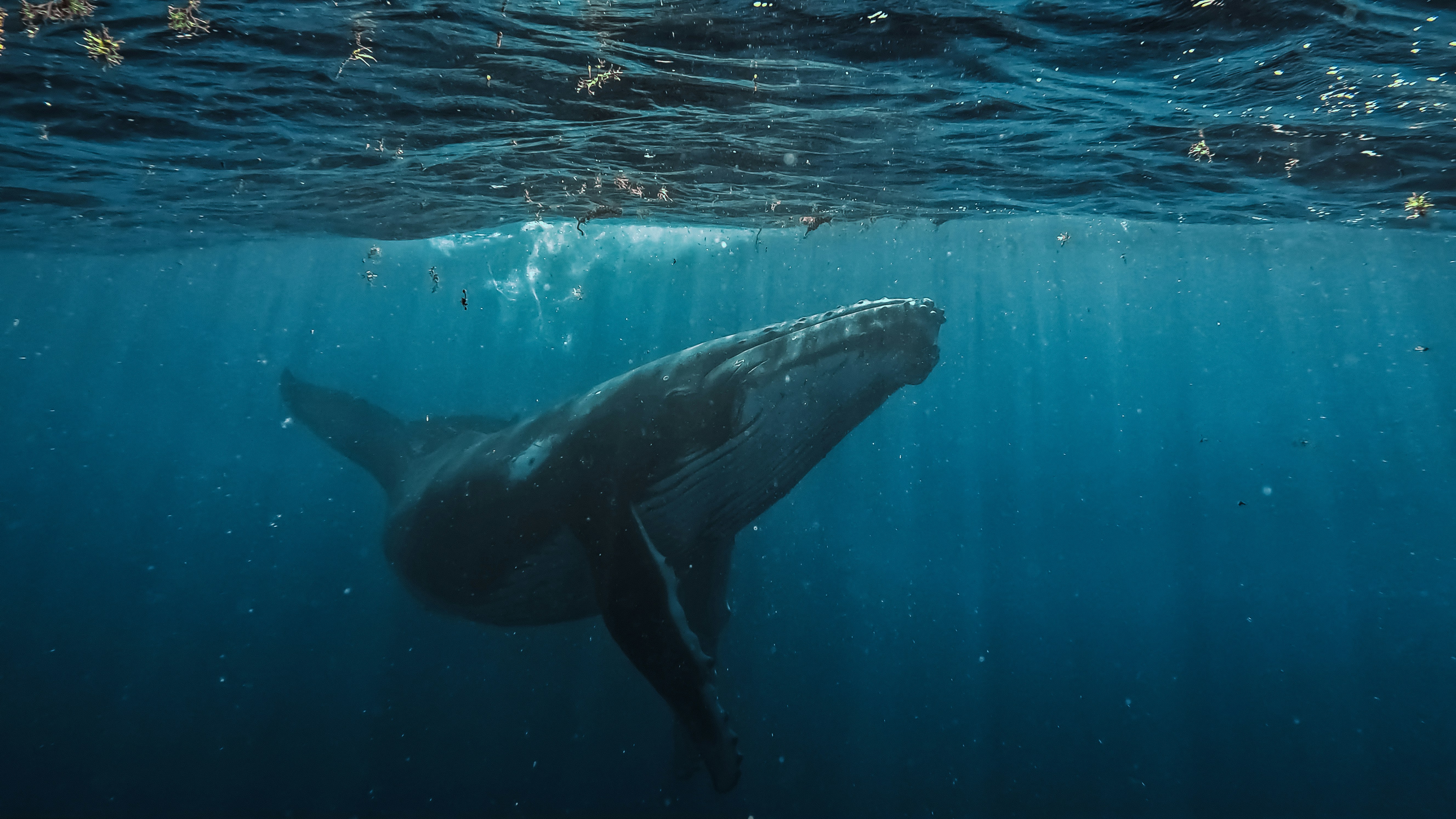
A marine mammal that must surface to breathe air through a blowhole.
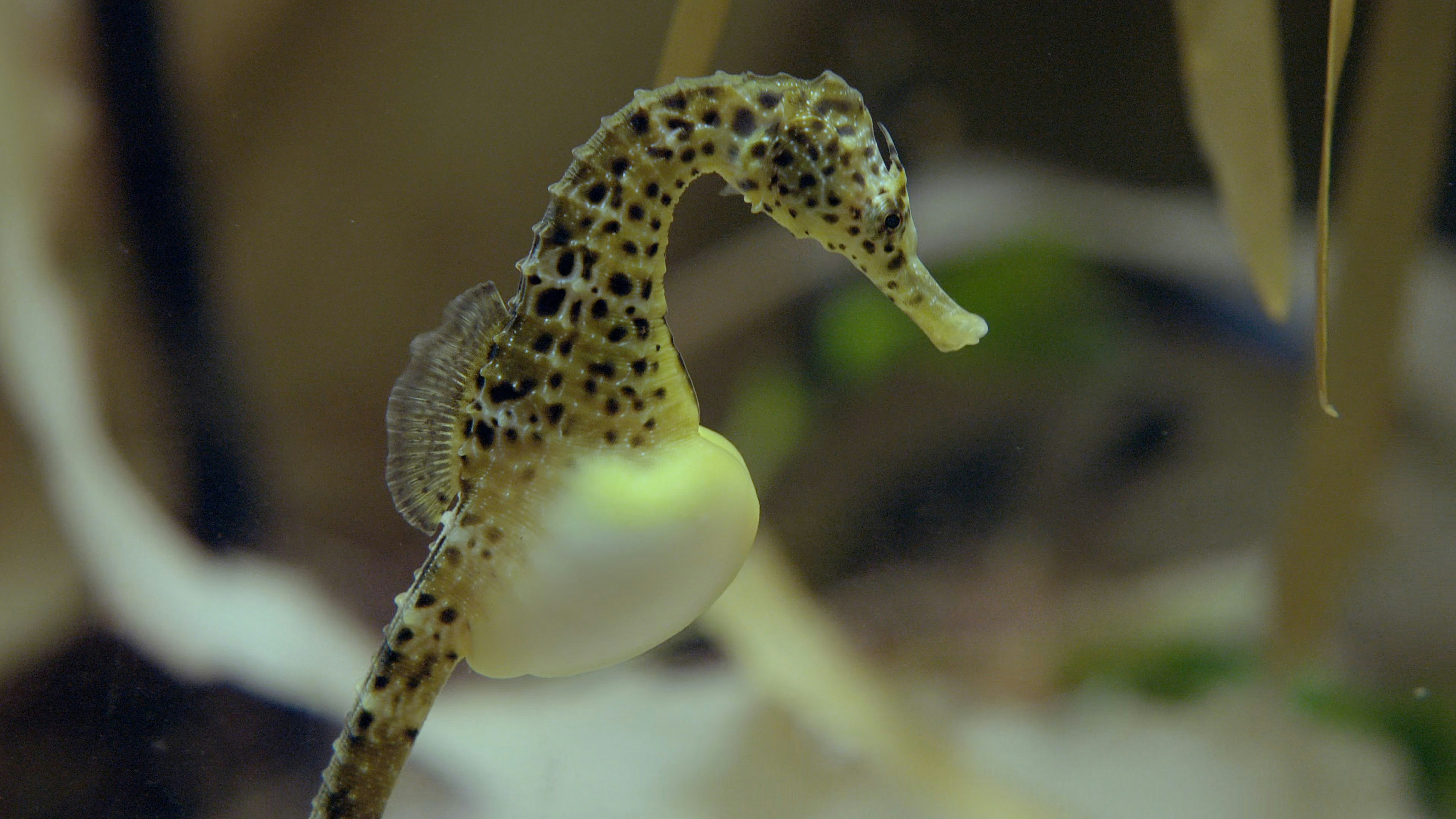
A small fish that swims upright and can grip plants with its curled tail.
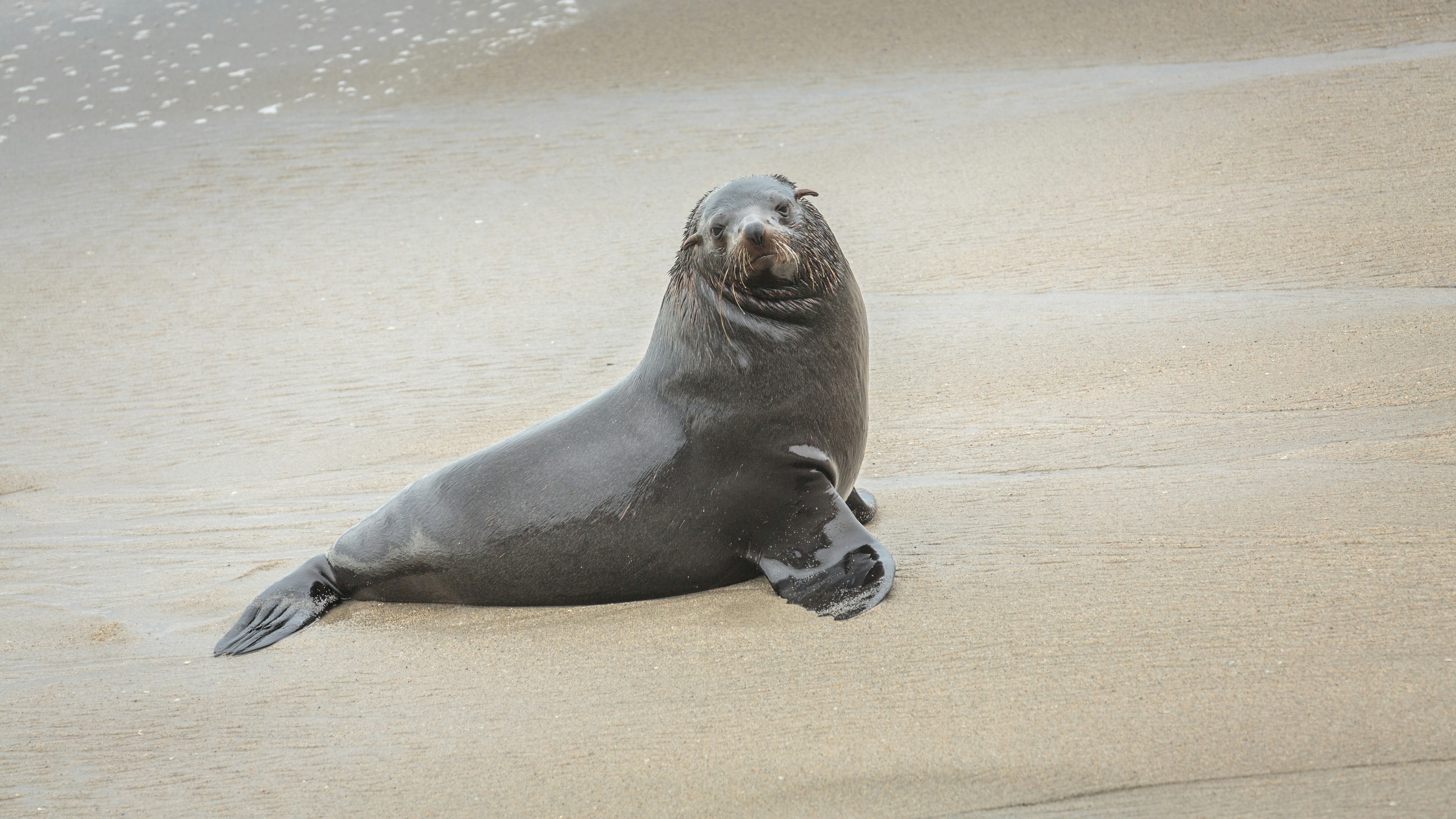
A social marine mammal with strong flippers that can also move on land.
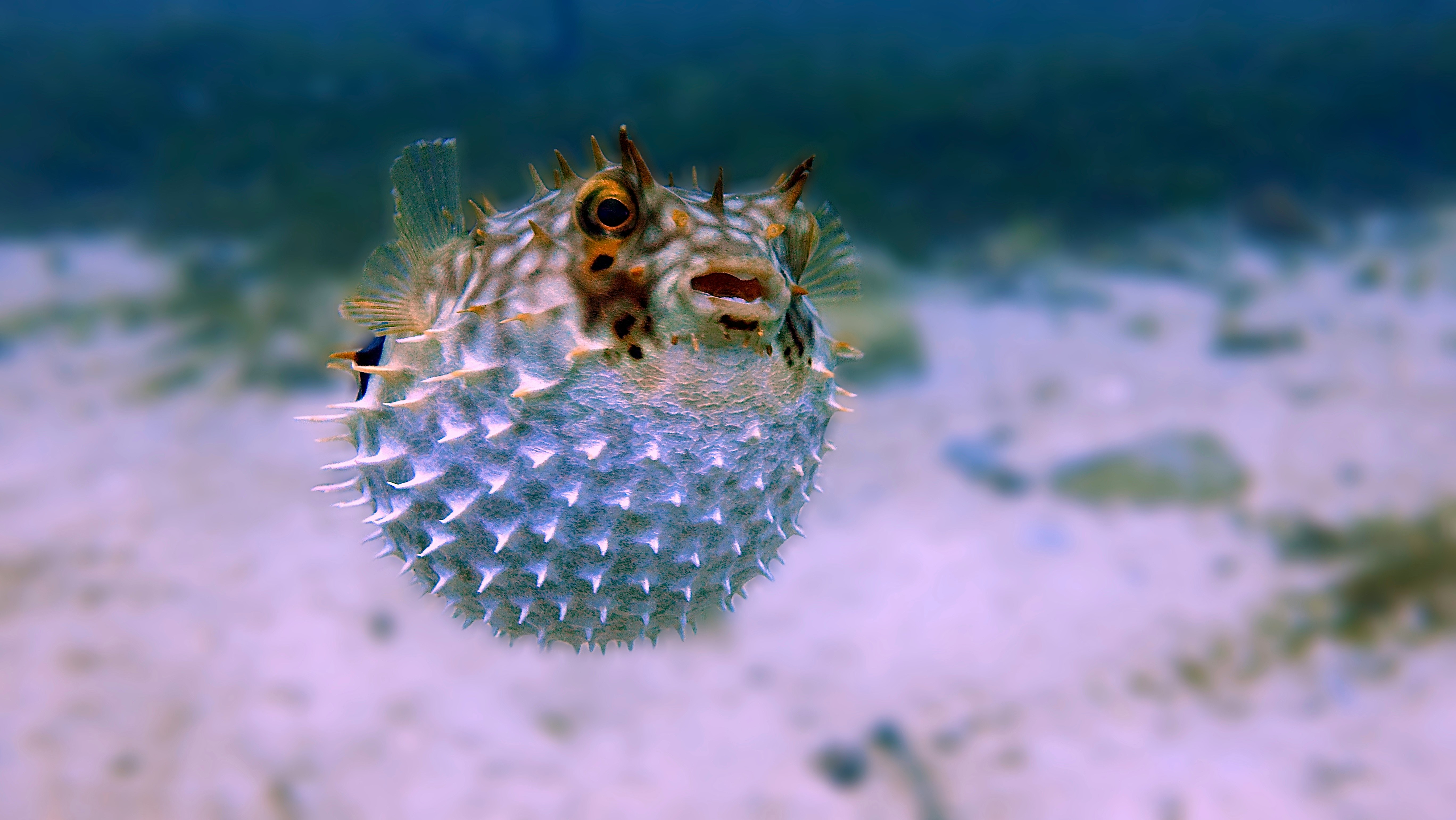
A fish that can take in water and expand its body when threatened.
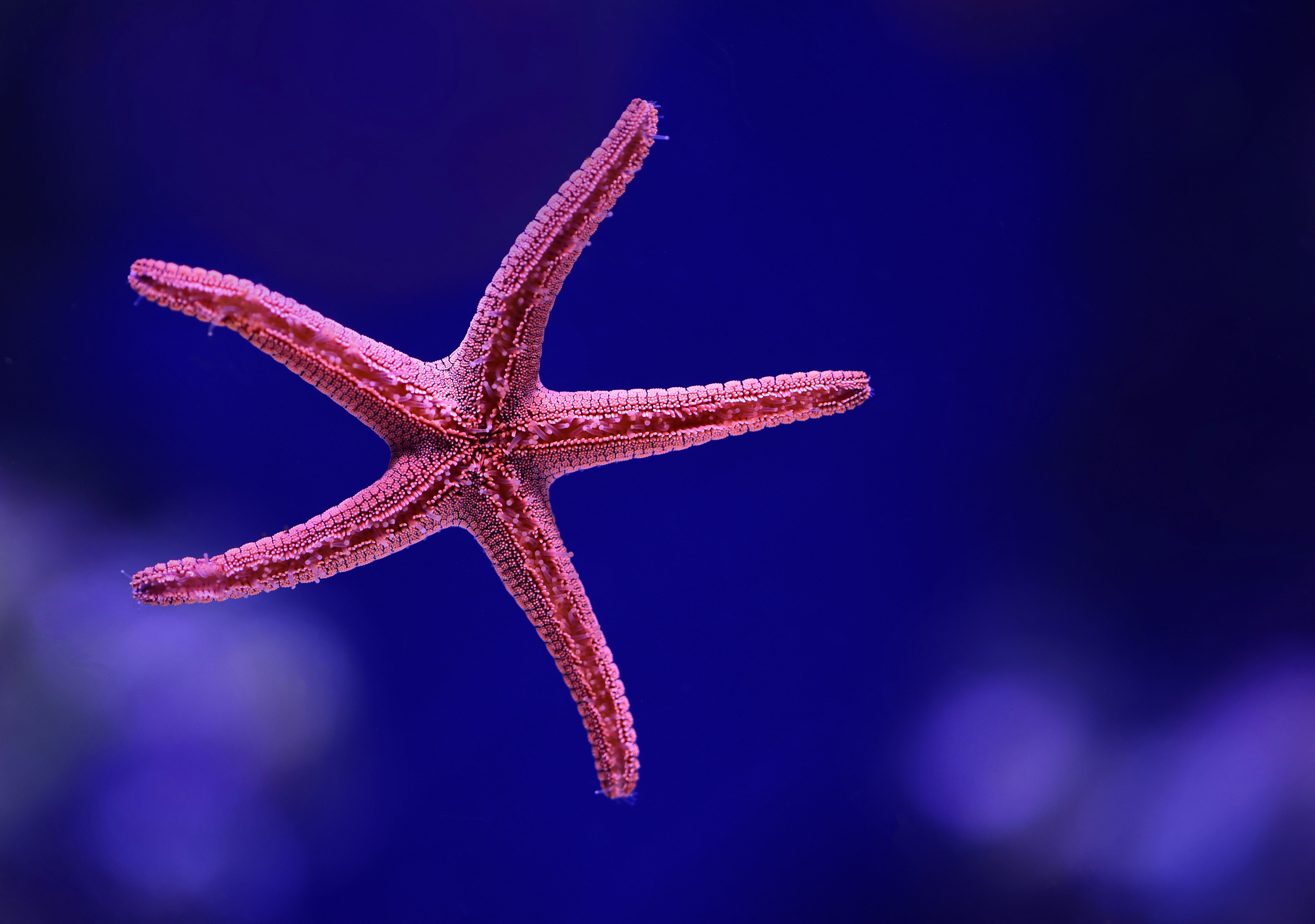
A sea animal, also called a sea star, that usually has five arms and tube feet.

A brightly patterned reef fish with a thin body that slips between corals.

A soft-bodied sea animal that pulses its bell and drifts with currents.

A flat-bodied fish that moves its broad fins like wings through the water.
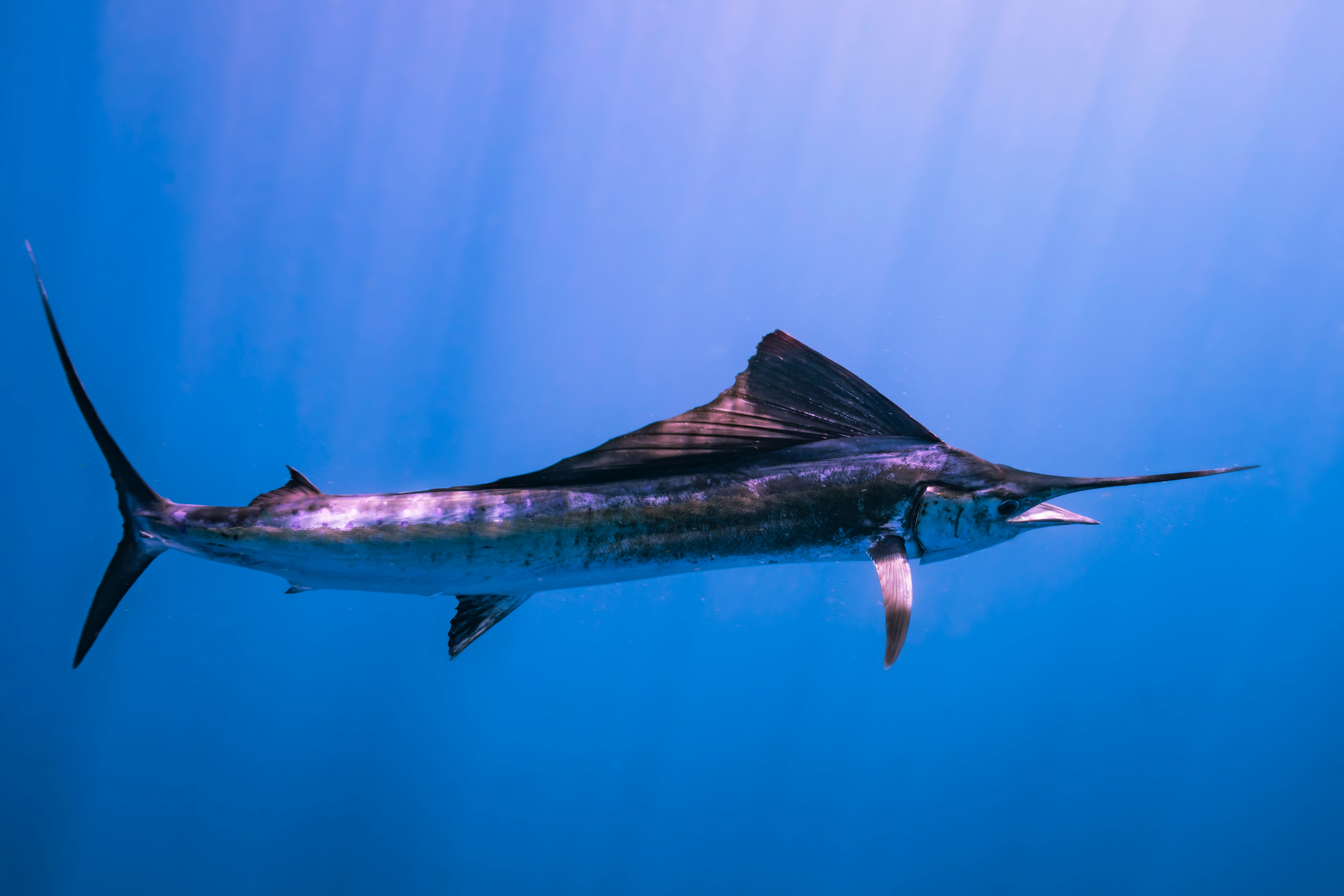
A large, fast fish recognised by the long, flat bill on its upper jaw.
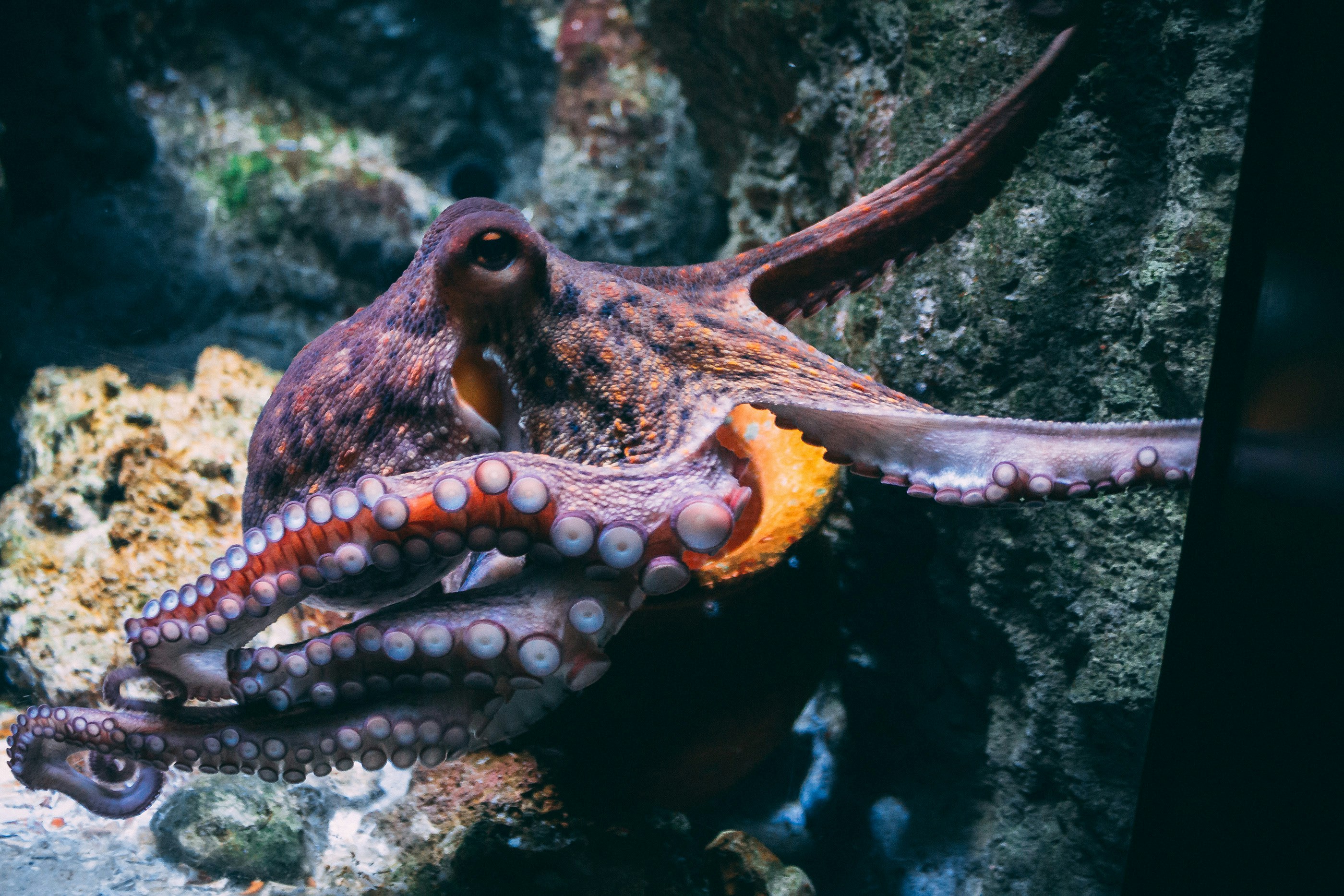
A clever mollusc with eight arms, suction cups and excellent camouflage.
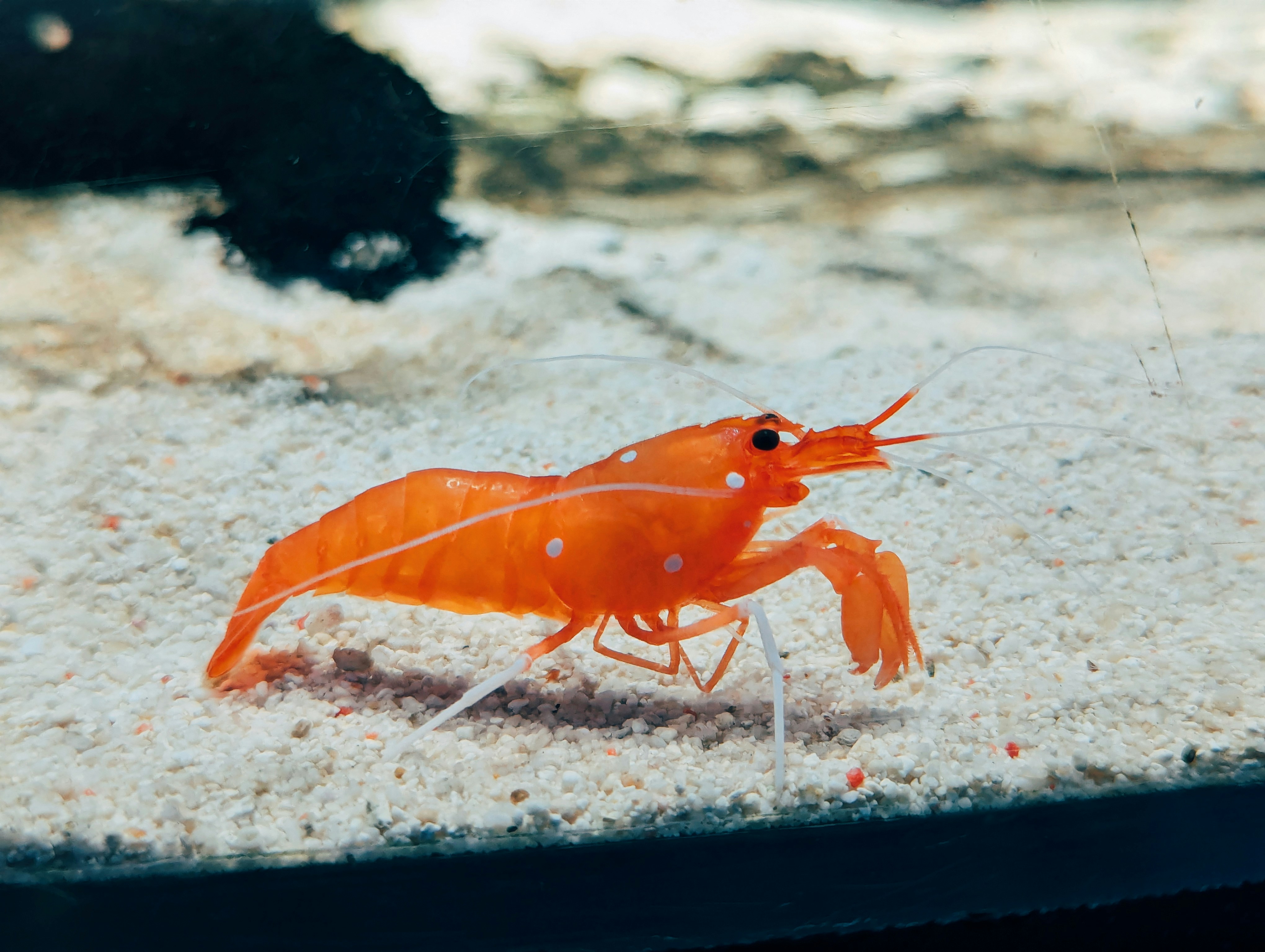
A small crustacean with a hard outer covering, jointed legs and long antennae.
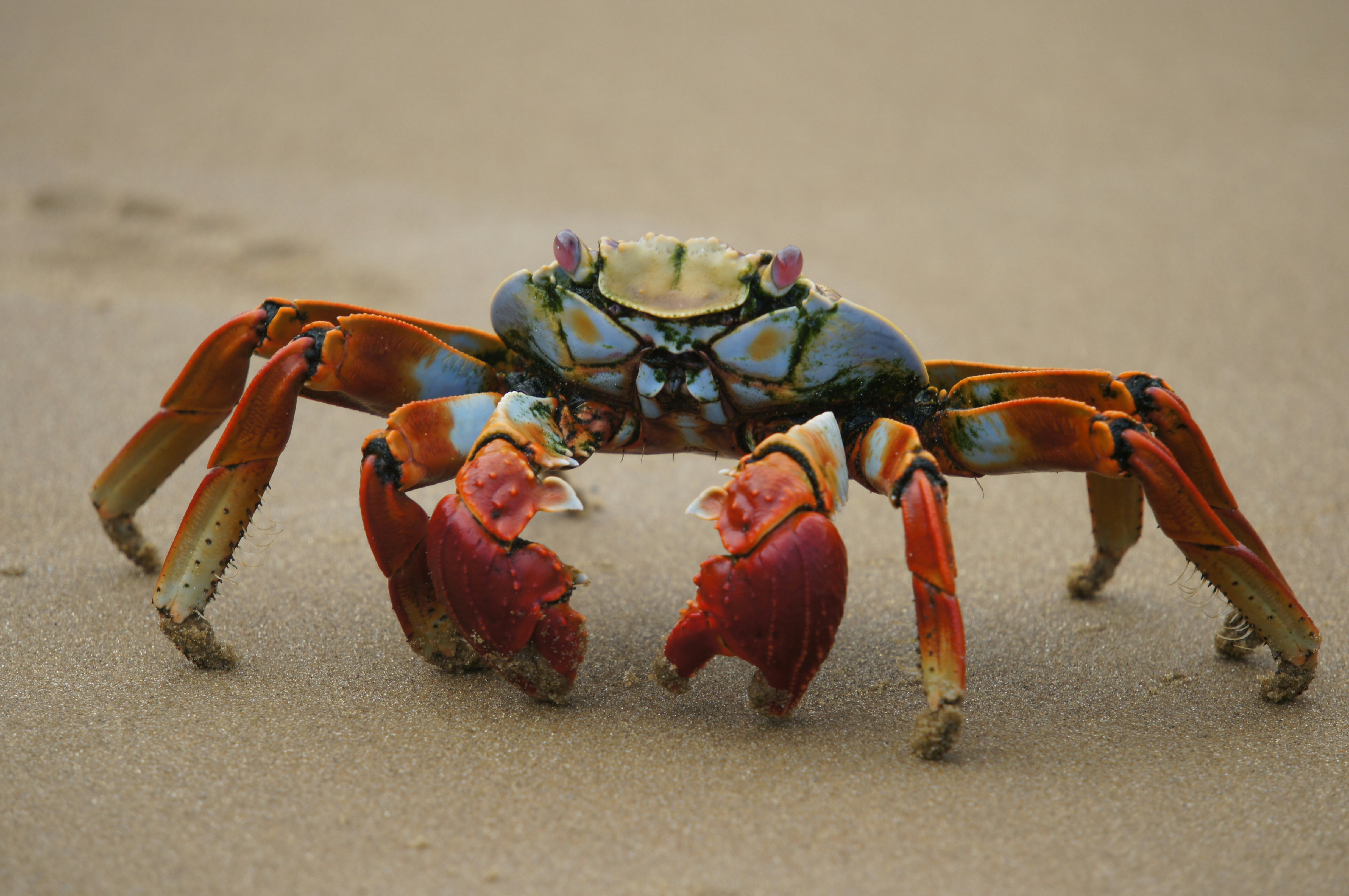
A crustacean with a hard shell, ten legs and a pair of gripping claws.
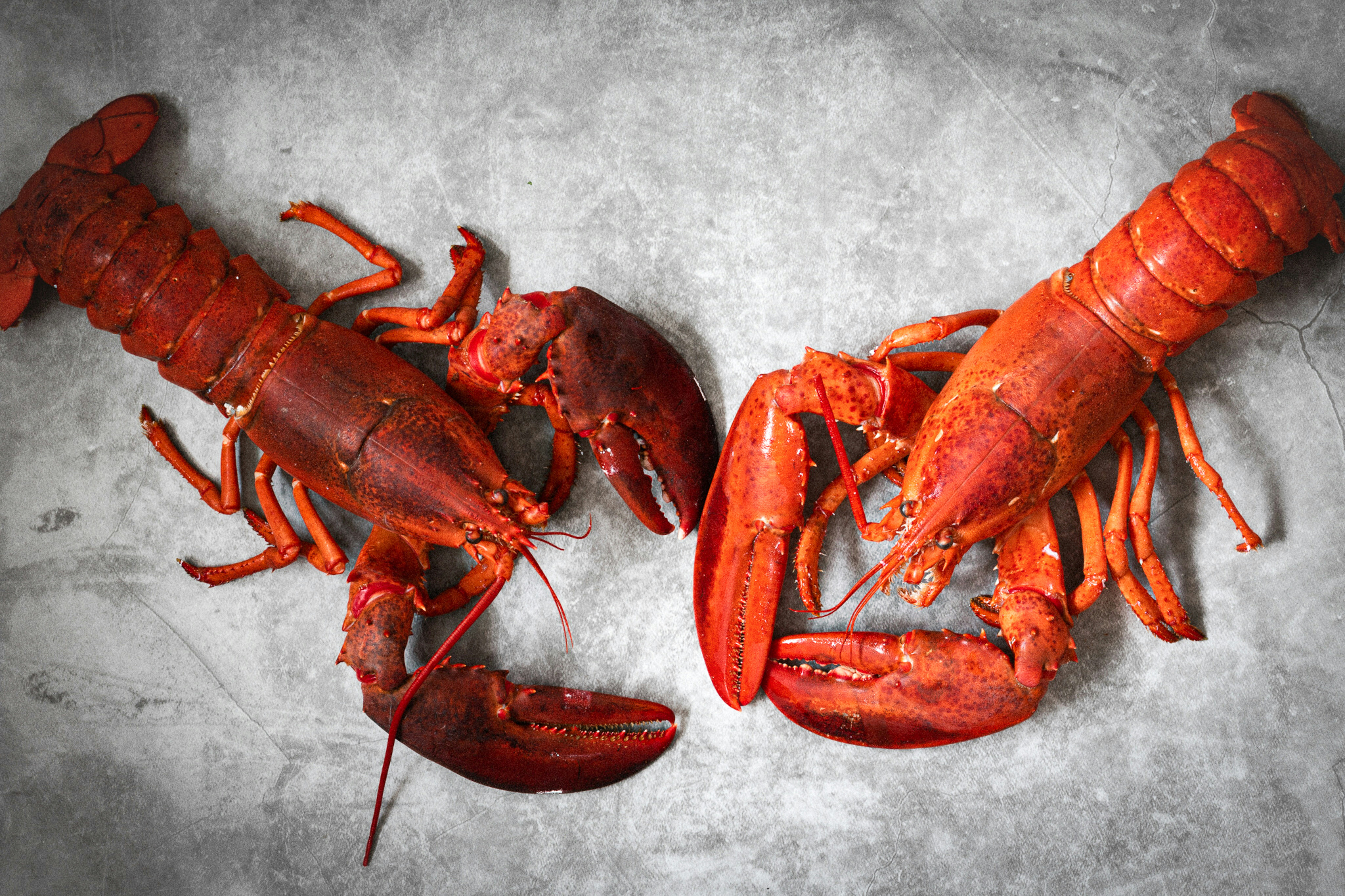
A large crustacean protected by a hard outer shell, with long antennae.
Different ocean habitats provide animals with food, shelter and space.
An adaptation is a feature or behaviour that helps an animal survive.
Classifying animals encourages observation and early scientific thinking.
Quick learning check
Question 1 of 4
For grown-up helpers
Choose a picture and describe the animal without saying its name. Ask the child to identify it.
Group the animals by fins, flippers, shells, tentacles or other body features.
Glide like a stingray, scuttle like a crab or pulse your arms like a jellyfish.
Compare sea animals with wild animals, pet animals, and the bird guide.