Lion

A powerful big cat that lives in social groups called prides.
Habitat: Grassland and savannah
Feature: Loud roar

Learn. Grow. Succeed.
Explore habitats around the world
Meet amazing animals from forests, grasslands, mountains, rivers and wetlands. Look at each picture, say the animal's name, and discover how its body helps it live in the wild.
Observe, compare, and protect
Wild animals live independently in natural habitats rather than relying on people for daily care. They find suitable food, water, shelter and mates within the ecosystems where they live.
Every wild animal is adapted to its habitat. A giraffe reaches high leaves, a crocodile moves through water with a powerful tail, and a koala uses curved claws to grip branches.
Wild does not mean dangerous or frightening: it means the animal is not domesticated. Observe wildlife respectfully and never approach or feed a wild animal.
Choose a learning level
Look at each picture, say the animal's name and copy a simple movement or sound.
Find fur, scales, stripes, tails and claws, then match each animal to its wild home.
Compare body features, sort animals into groups, learn new words and try the quiz.
Talk and move together
Read one prompt at a time. Children can point, answer or move.
A powerful big cat that lives in social groups called prides.

The largest land mammal, with a flexible trunk and large ears.
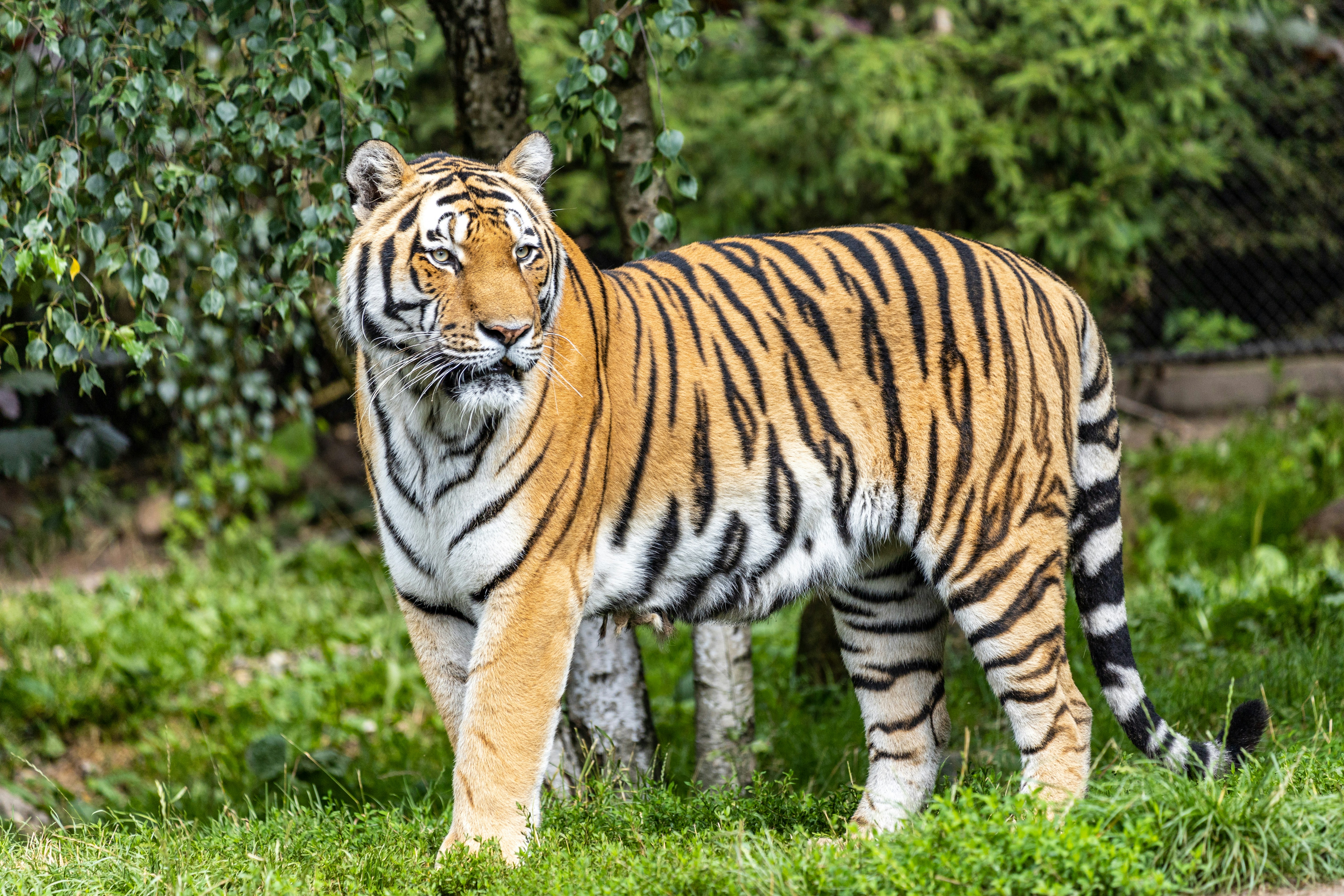
A mostly solitary big cat whose striped coat helps it blend into vegetation.

The tallest living land animal, able to reach high leaves with its long neck.

A primate with grasping hands that may live in trees, on the ground, or both.
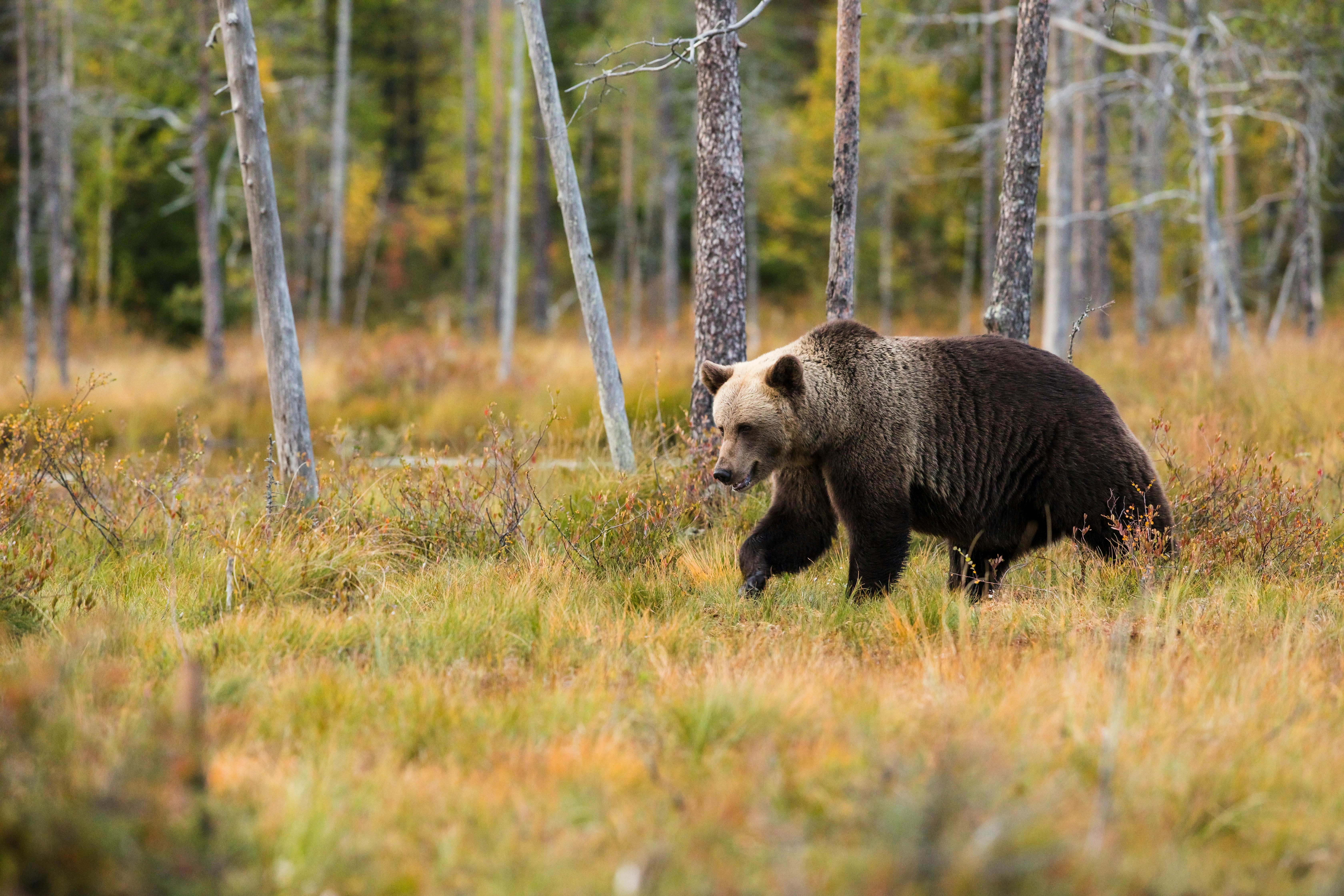
A strong mammal with thick fur, a keen sense of smell and powerful paws.
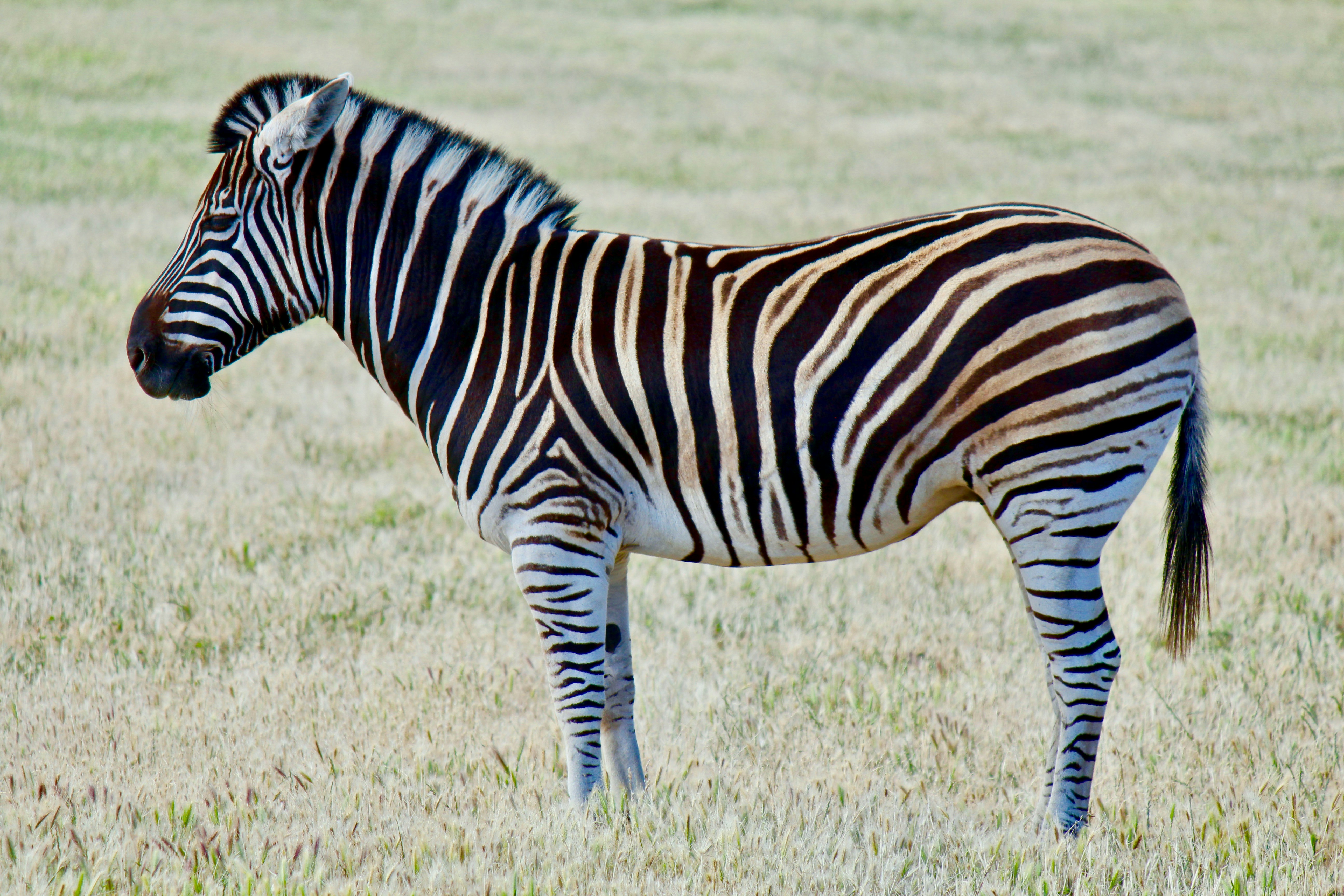
A wild member of the horse family with a unique pattern of stripes.
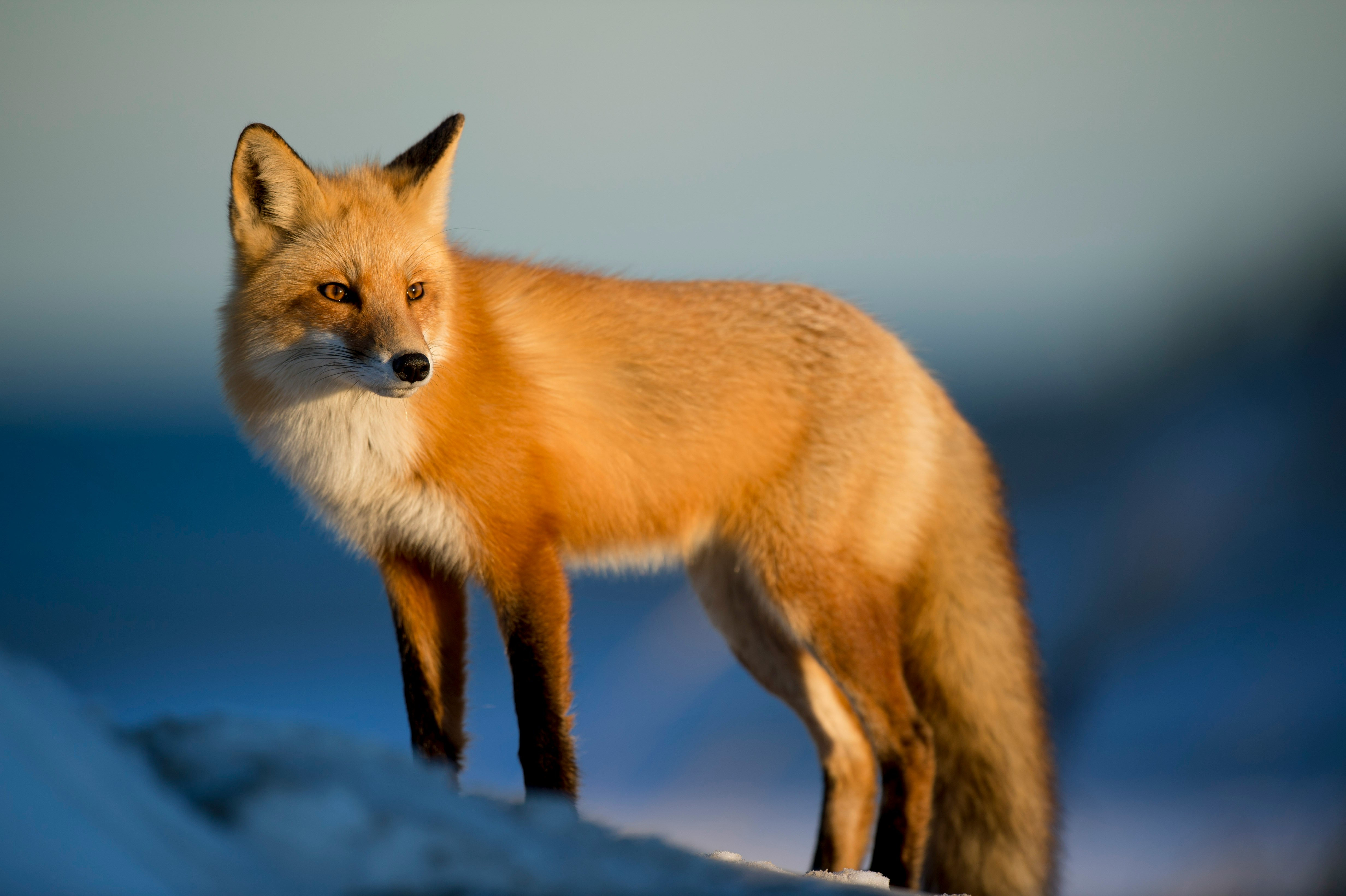
An adaptable mammal with pointed ears, a narrow muzzle and a bushy tail.
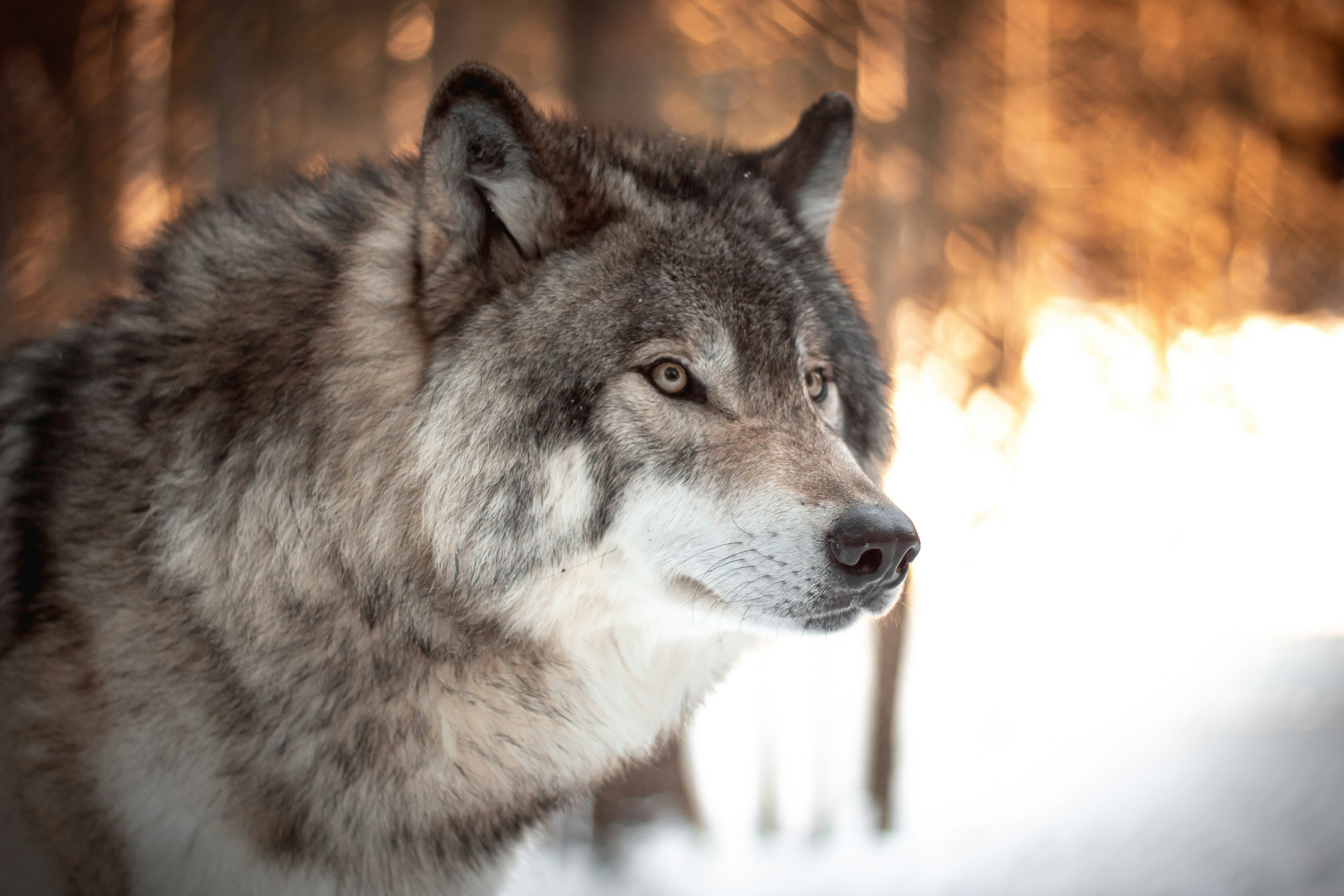
A social wild canine that communicates with calls, scent and body position.

The largest living primate, with strong arms and a mainly plant-based diet.
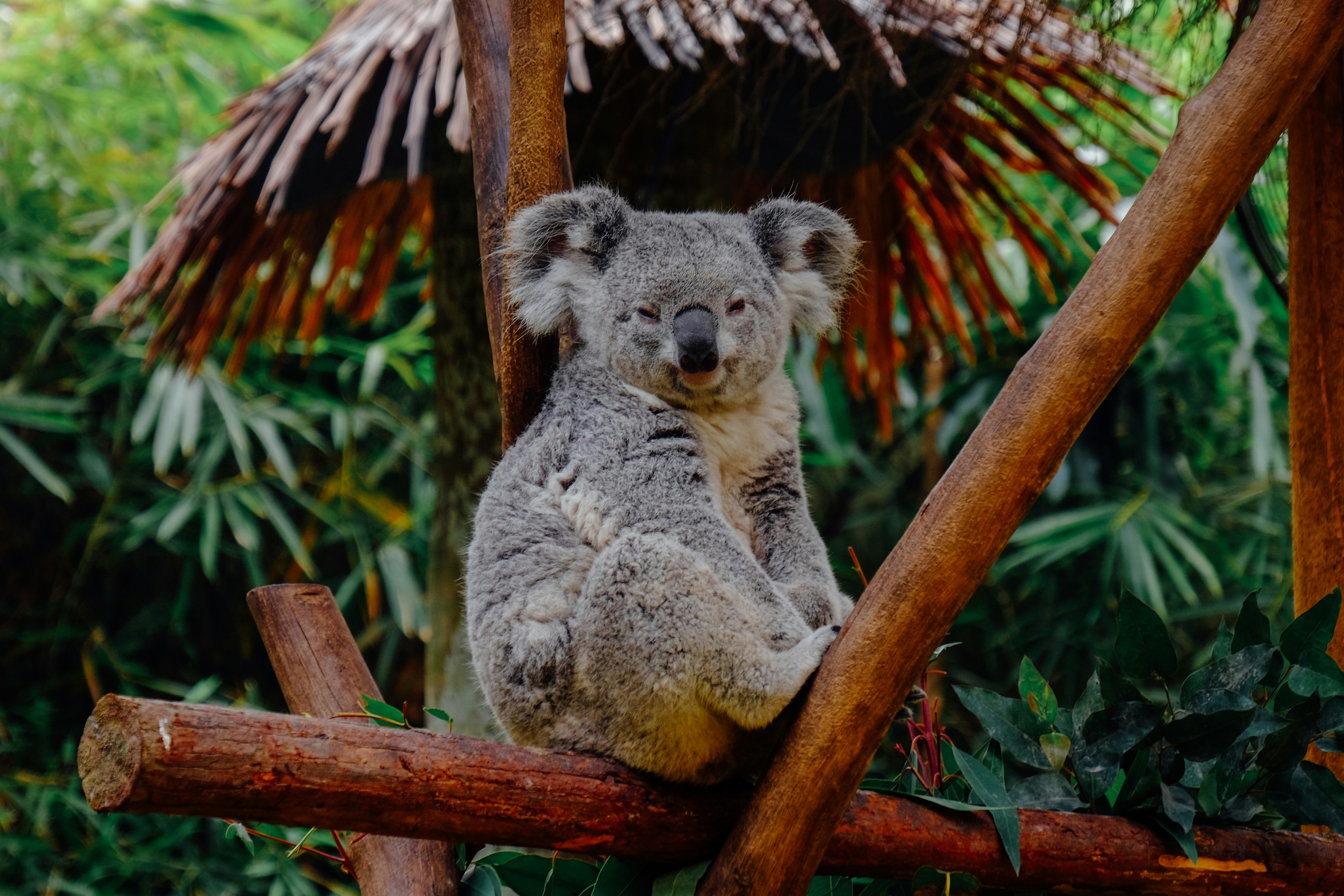
An Australian marsupial adapted for climbing and feeding in eucalyptus trees.
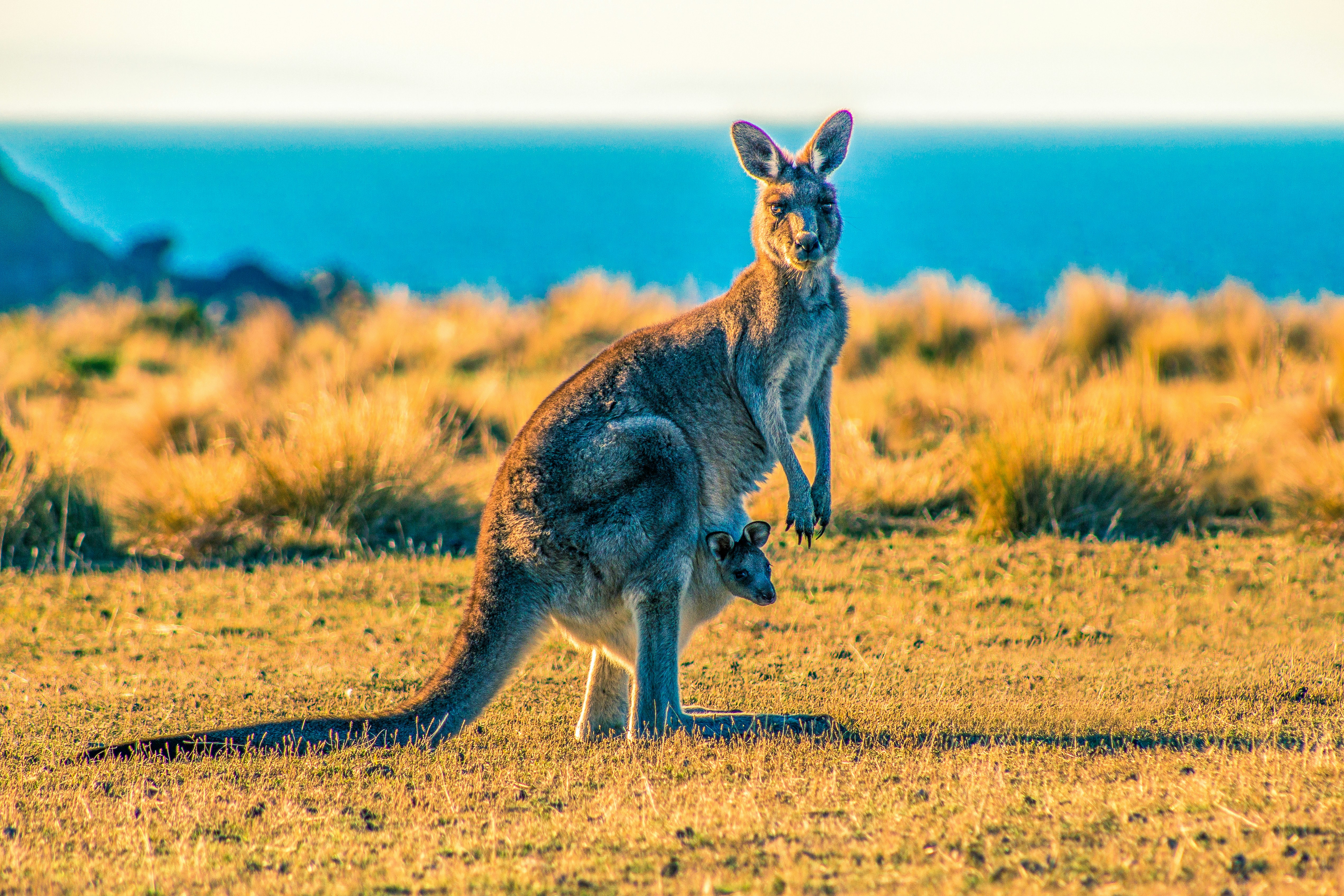
A marsupial that travels by hopping on powerful hind legs.
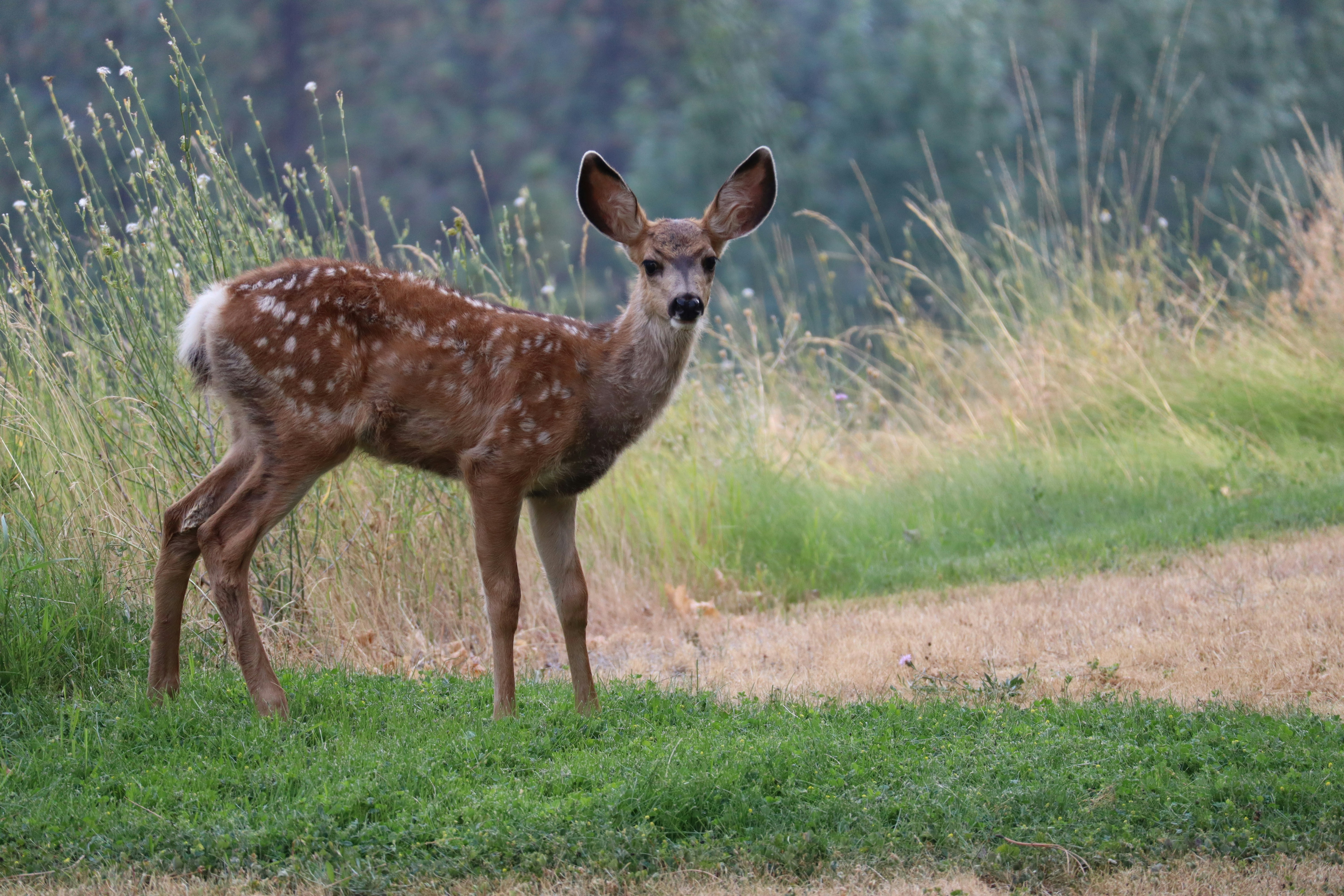
A hoofed plant-eater with sensitive ears and quick, graceful movement.

A very large African mammal that spends much of the day in or near water.

A slender big cat built for short bursts of remarkable speed.
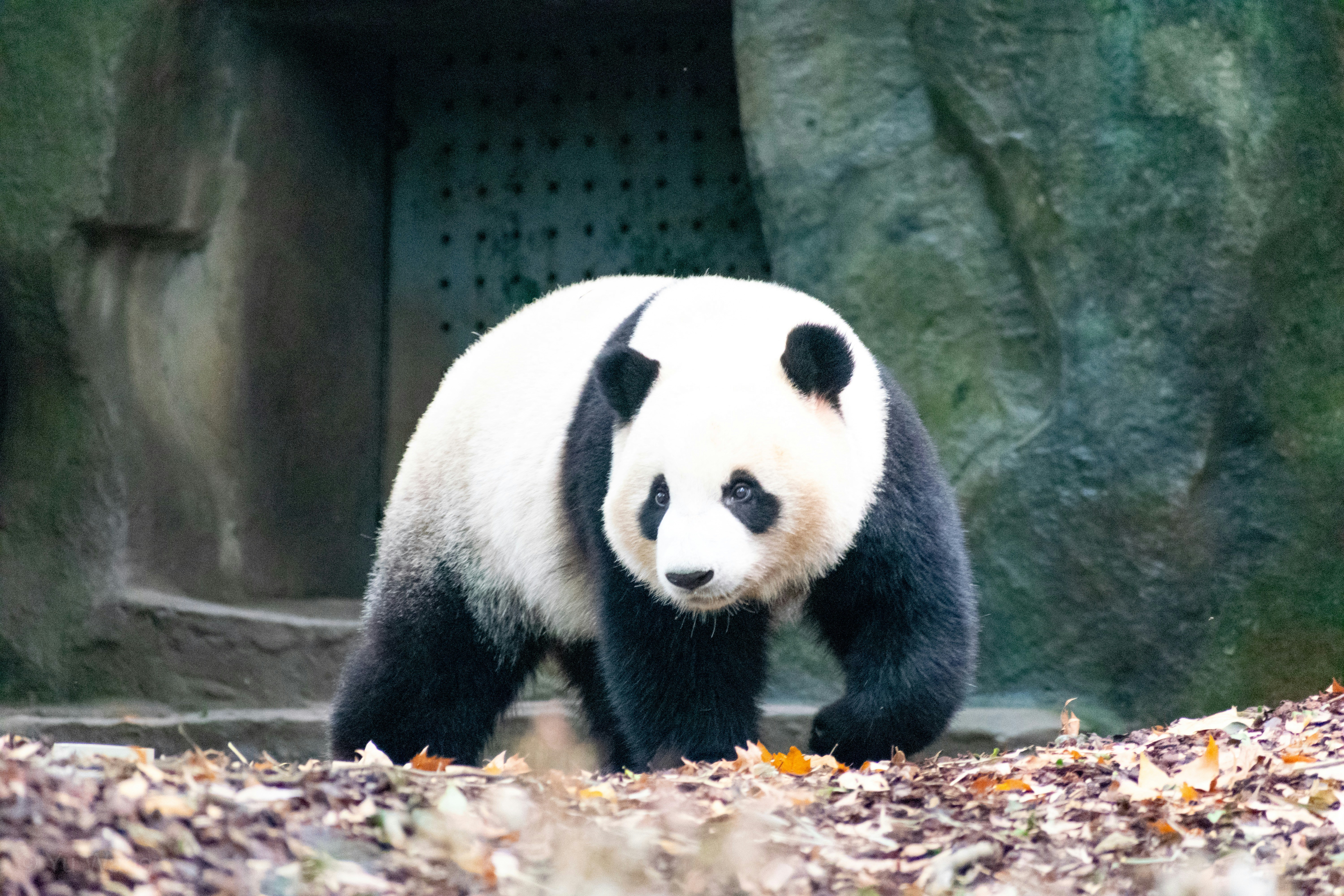
A black-and-white bear that feeds mainly on bamboo.

A large reptile with armoured scales, a powerful tail and strong jaws.
A habitat provides the resources an animal needs to survive.
An adaptation is a feature or behaviour that helps an animal live in its habitat.
Classifying animals encourages observation and early scientific thinking.
Say and read
Point to a matching picture and read each short sentence aloud.
Look and match
Say the animal's name, then follow the arrow to one of its natural habitats.
Open savannah
Forest
River and wetland
Eucalyptus woodland
Mountain bamboo forest
Forest or mountain
Ready for more
Quick learning check
Question 1 of 4
For grown-up helpers
Choose a picture and describe the animal without saying its name. Ask the child to identify it.
Group animals by habitat, body covering, diet or method of movement.
Choose an animal and copy how it moves. Can you stomp like an elephant, hop like a kangaroo or prowl like a tiger?
Compare wild animals with farm animals, pet animals, and the bird guide.