Cat
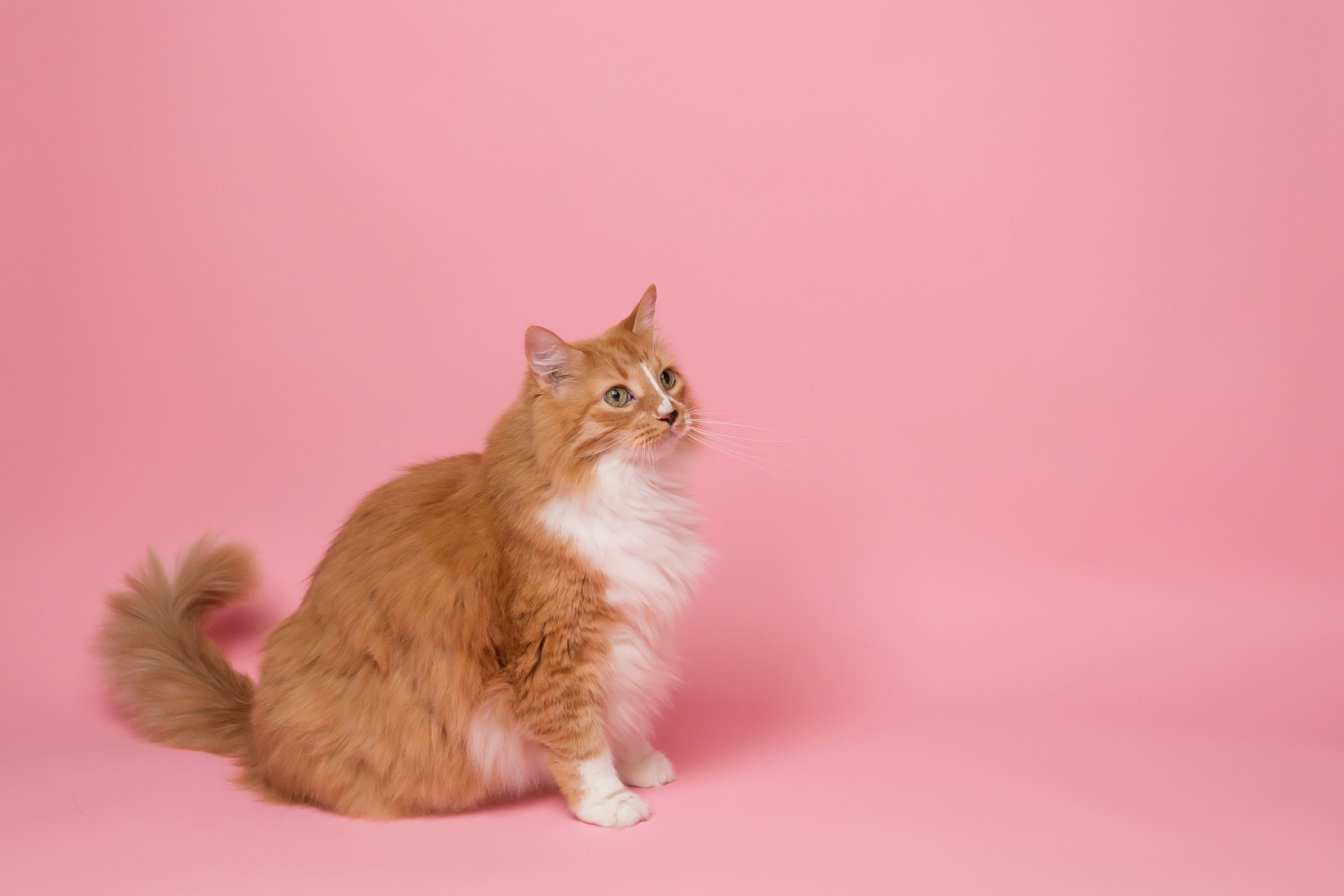
A curious mammal that communicates with meows, purrs and body language.
Care: Food, water, play and a safe homeFeature: Whiskers

Learn. Grow. Succeed.
Meet animals people care for
Meet mammals, birds and fish that people may care for. Learn each animal's name, notice its special features, and discover why every pet needs the right food, home, company and kind treatment.
Learn, care, and respect
Pets are animals cared for by people. They need food, water, a safe home and kind treatment every day.
Grown-ups are responsible for making sure a pet has enough space, suitable exercise and activities, companionship when needed, and care from an animal doctor called a vet.
Different species need very different homes. A goldfish needs a spacious filtered aquarium, a budgerigar needs safe flight space, and a pony needs a paddock, shelter and expert daily care. An animal should never be chosen only because it looks cute.
Wild animals are not pets: never take an animal from the wild. Families must research welfare needs, costs, lifespan and local laws before bringing any animal home.
Choose a learning level
Look at the pictures, say each animal name and copy a simple movement or sound.
Find fur, feathers and fins, then match each animal to the home it needs.
Read the care facts, sort the animal groups, learn new words and try the quiz.
Talk and move together
Read one prompt at a time and let the child point, answer or move.
A curious mammal that communicates with meows, purrs and body language.
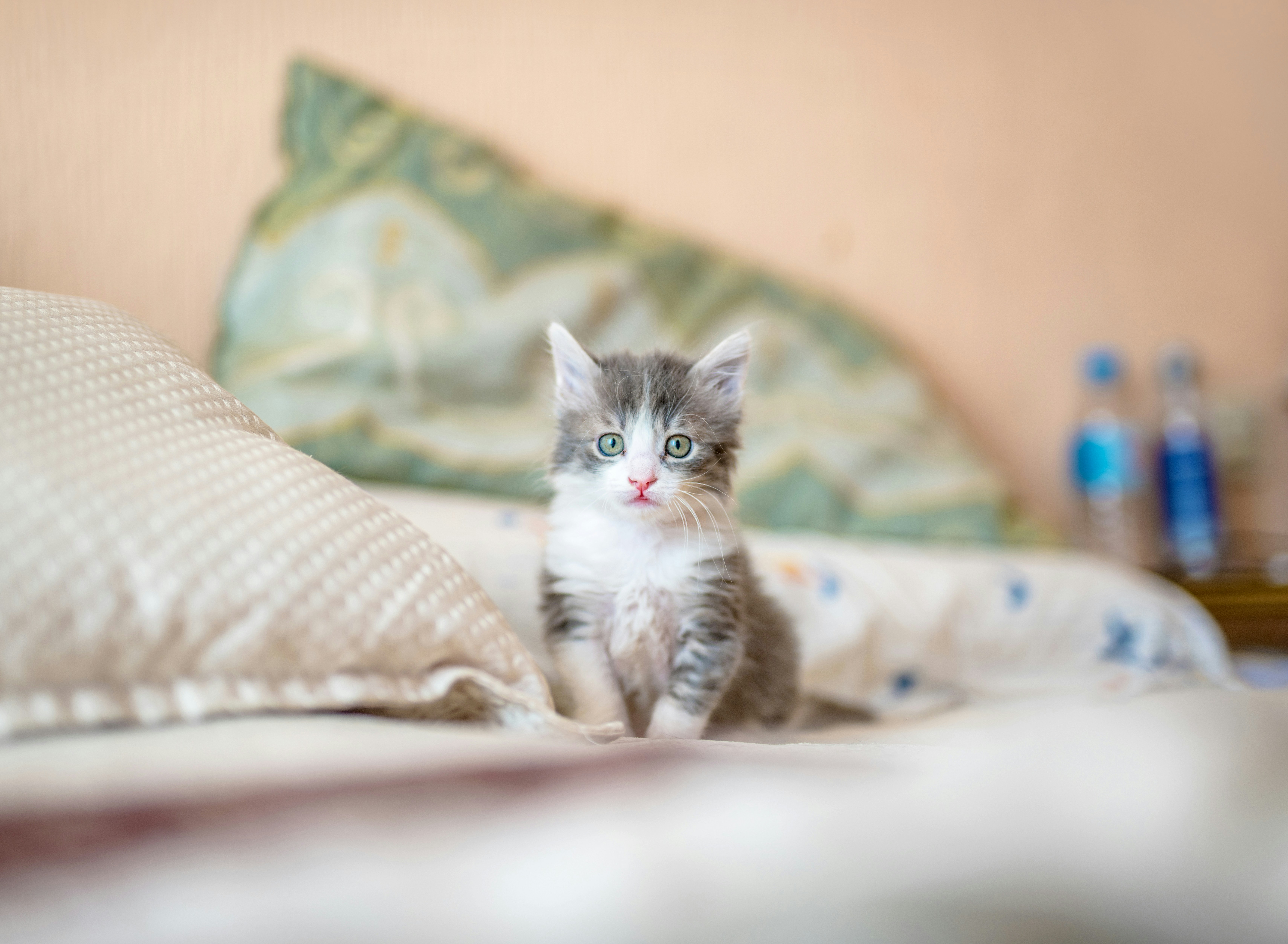
A young cat that needs gentle care, suitable food, play and plenty of rest.

A social mammal that needs companionship, training, exercise and daily care.
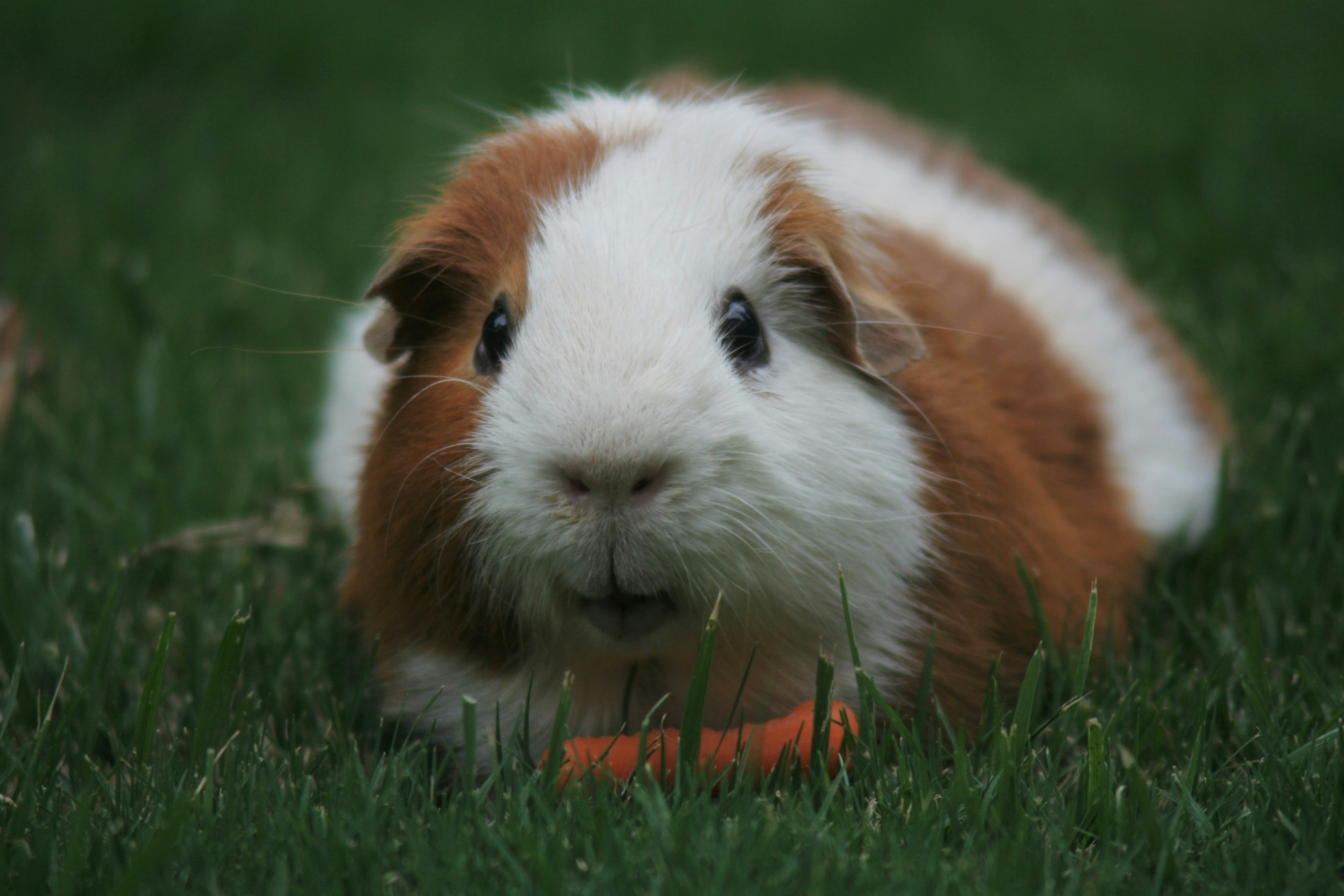
A social plant-eating rodent that uses squeaks and body movements to communicate.

A small rodent that is often most active during the evening and night.
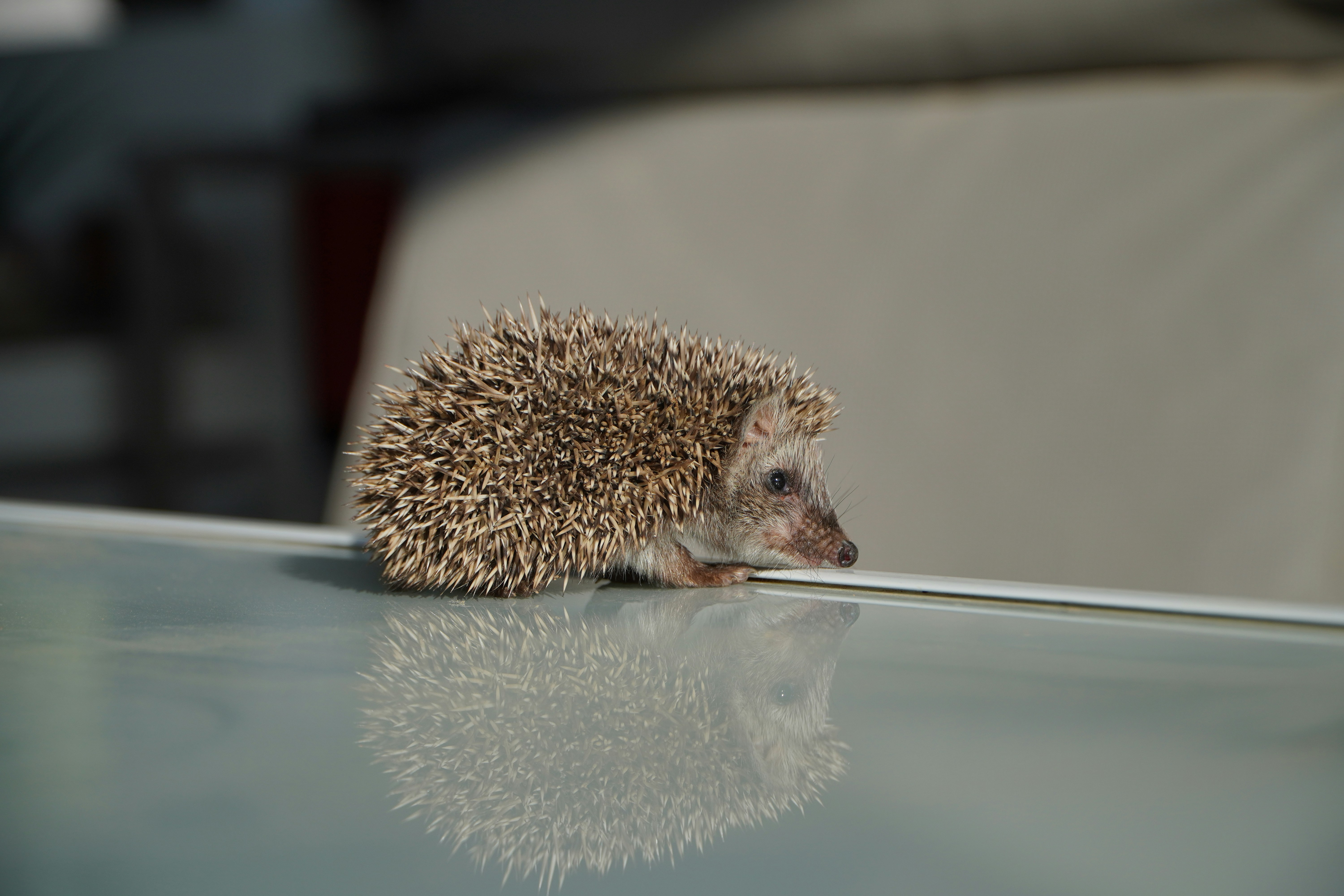
A spiny mammal; wild hedgehogs are wildlife, while some other species may be kept where legal.
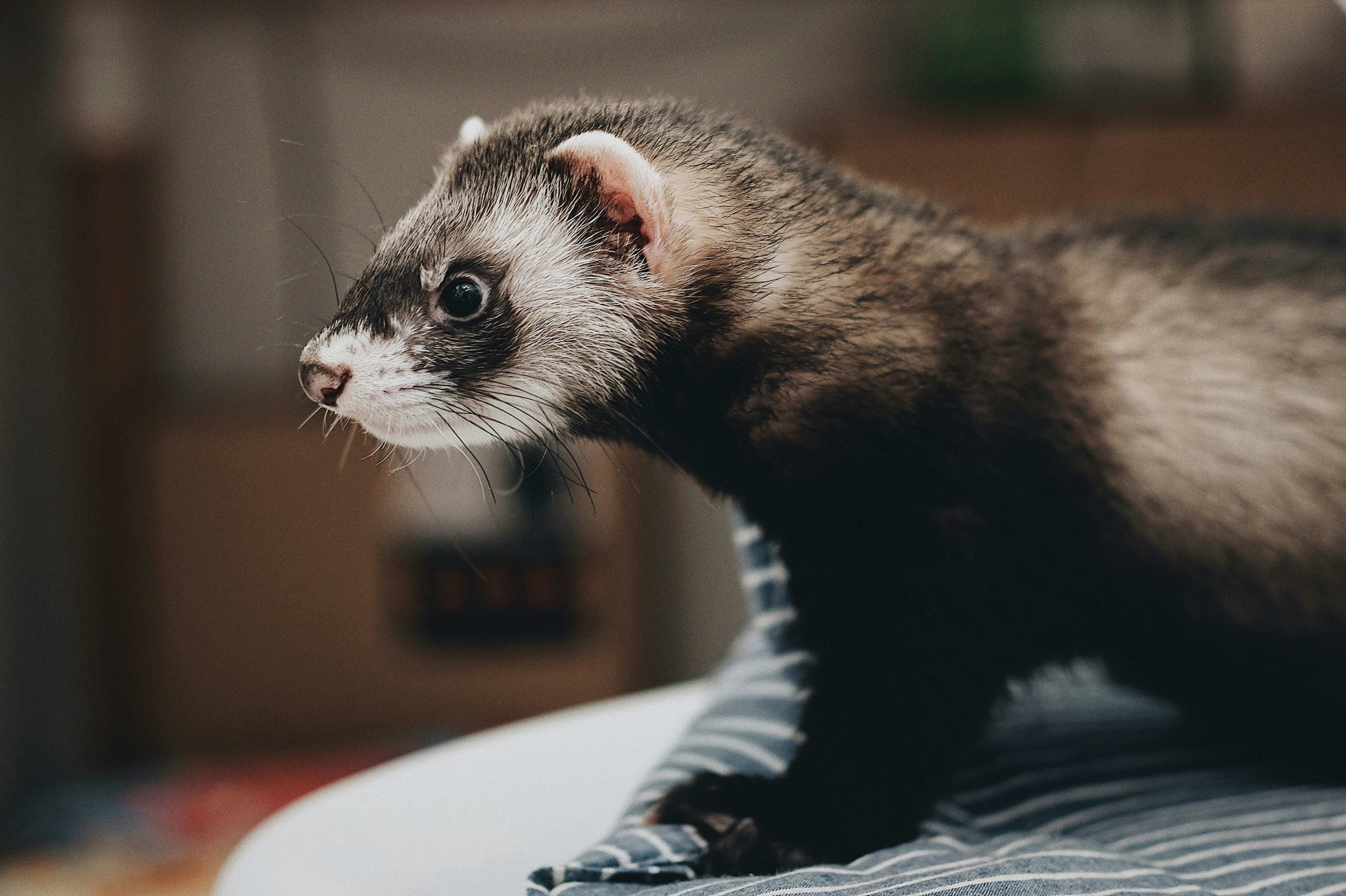
An active, curious mammal that needs secure space, enrichment and knowledgeable care.

A small type of horse that needs outdoor space, suitable companions and expert daily care.
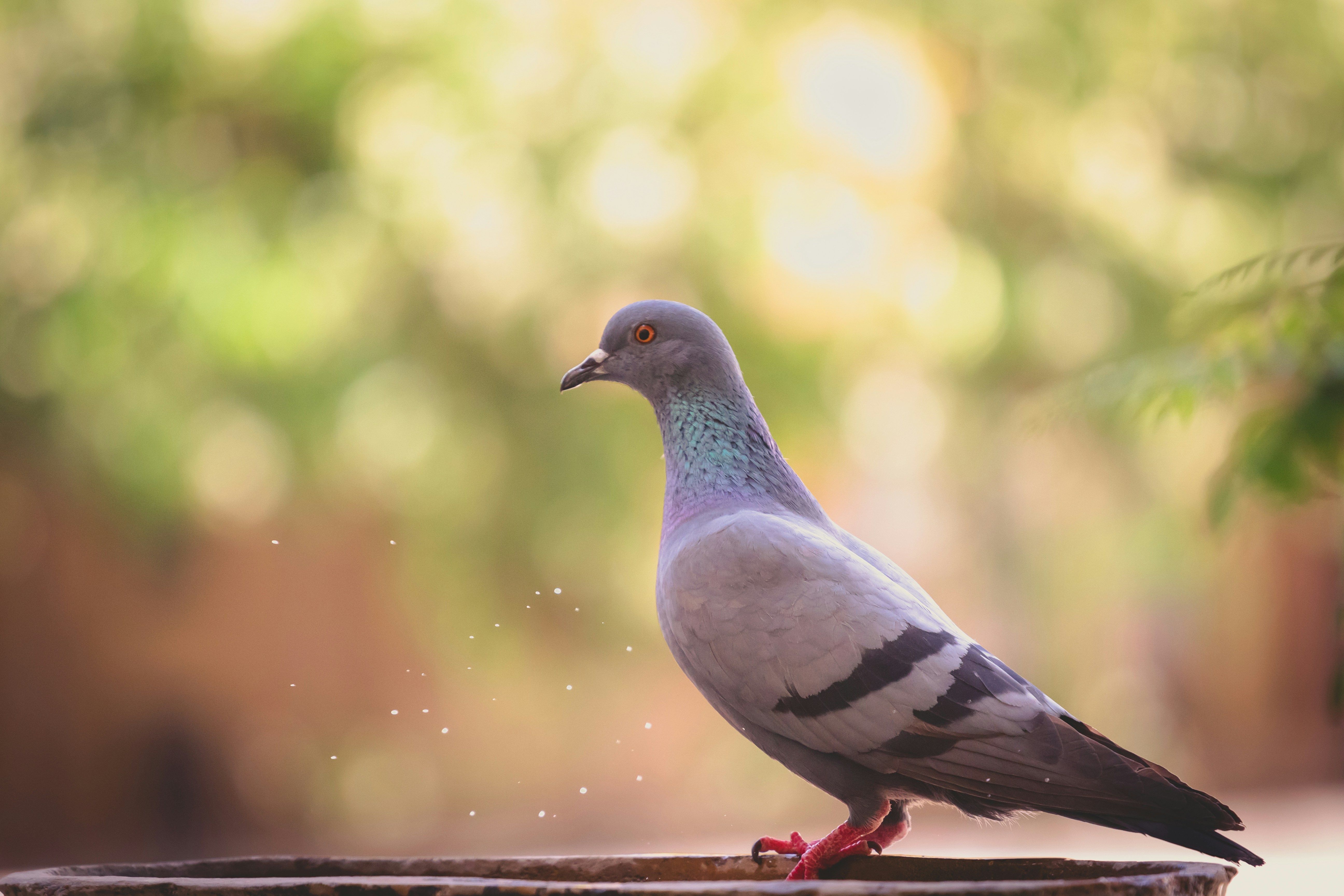
An intelligent bird that can learn routines and find its way over long distances.

An intelligent, social bird that needs space, enrichment and specialised long-term care.
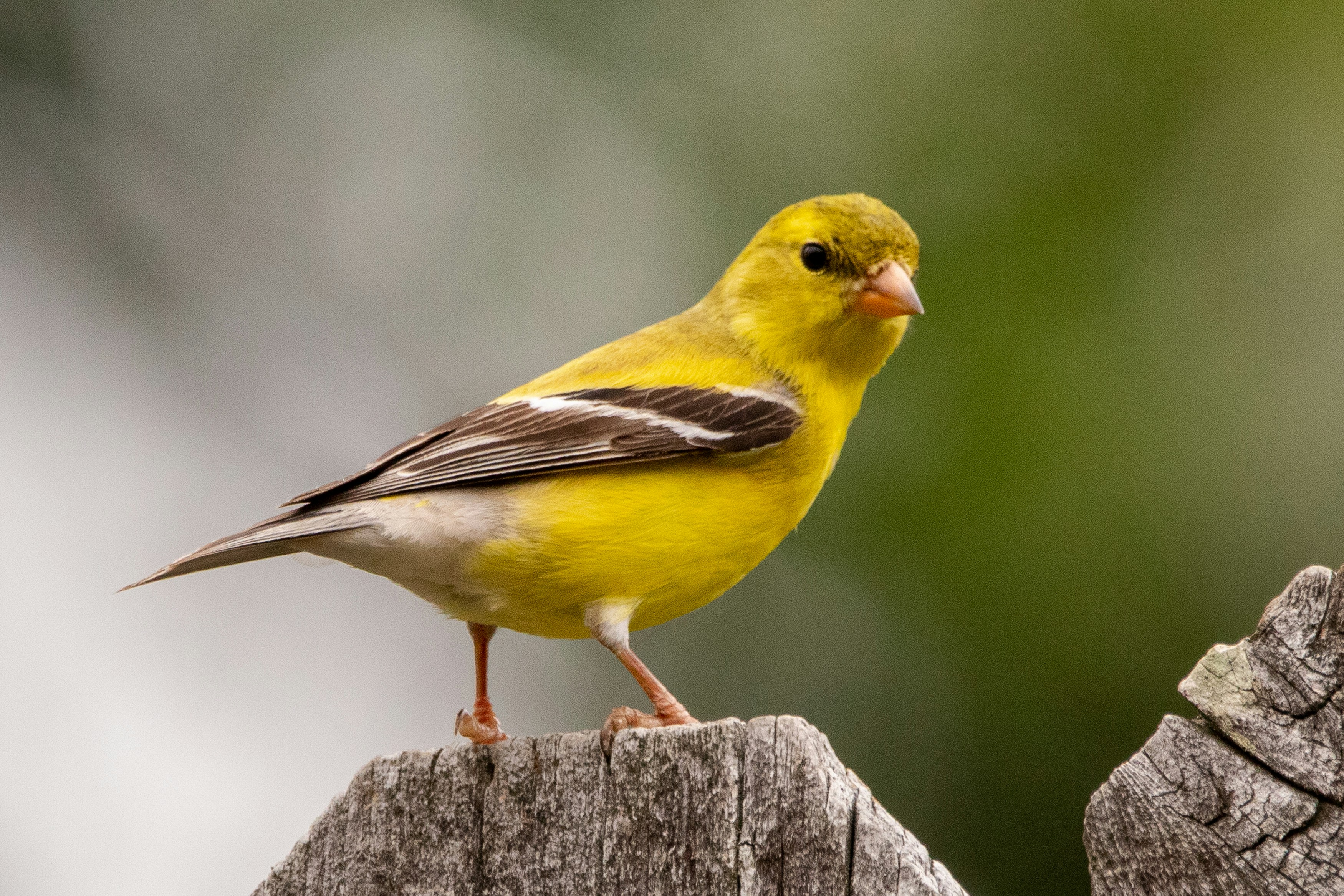
A small finch known for chirping and, especially in many males, musical song.
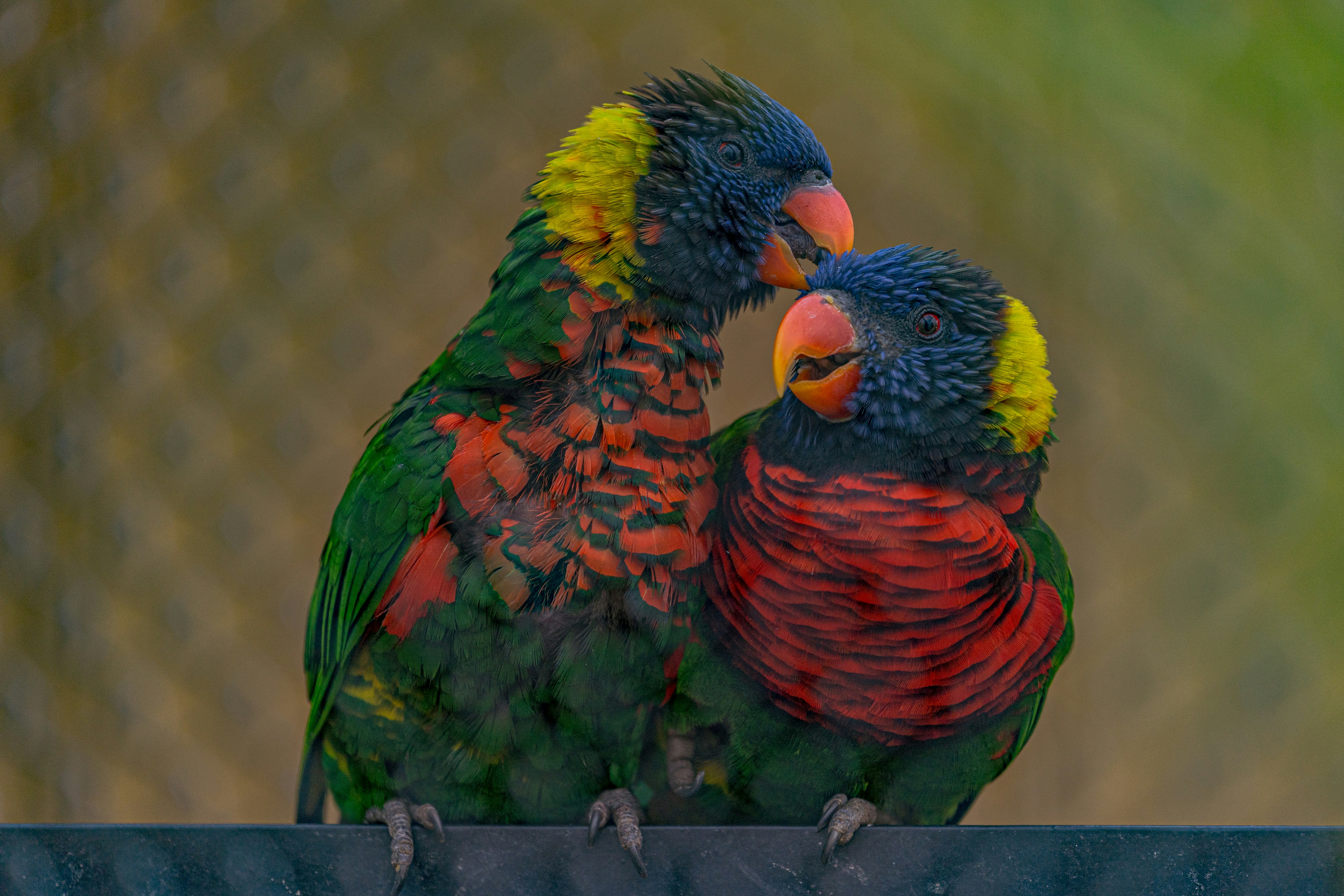
A small, active parrot that needs social contact, enrichment and room to fly.

A small social parrot, often called a budgie, that can learn calls and sounds.
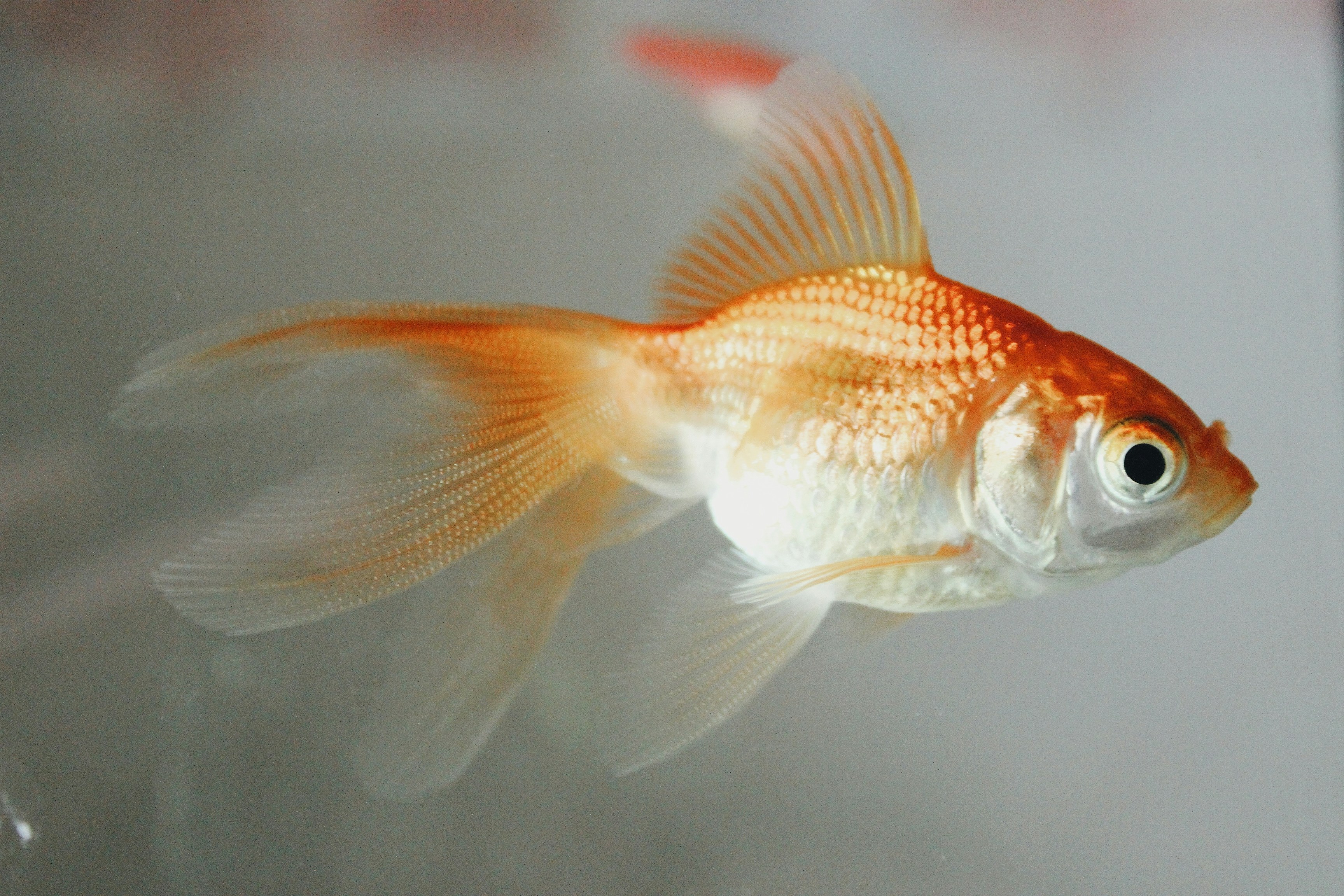
A freshwater fish that needs a large, filtered aquarium rather than a small bowl.
Good care continues every day for the animal's whole life.
Animals communicate through sounds, posture and movement.
Sorting helps children notice how animal groups differ.
Say and read
Point to a matching picture and read each short sentence aloud.
Look and match
Say the animal's name, then follow the arrow to its suitable home or care item.
Large filtered aquarium
Paddock and shelter
Safe home and scratching post
Safe flight space and perches
Companion, hay and roomy enclosure
Safe home, walks and company
Ready for more
Quick learning check
Question 1 of 4
For grown-up helpers
Choose a pet card and match it to suitable food, housing, exercise and companionship.
Discuss signs that an animal feels relaxed and signs that it needs more space.
Draw a safe pet home with water, shelter, enrichment and a quiet resting place.
Compare pets with farm animals, wild animals, and sea animals.