Turkey

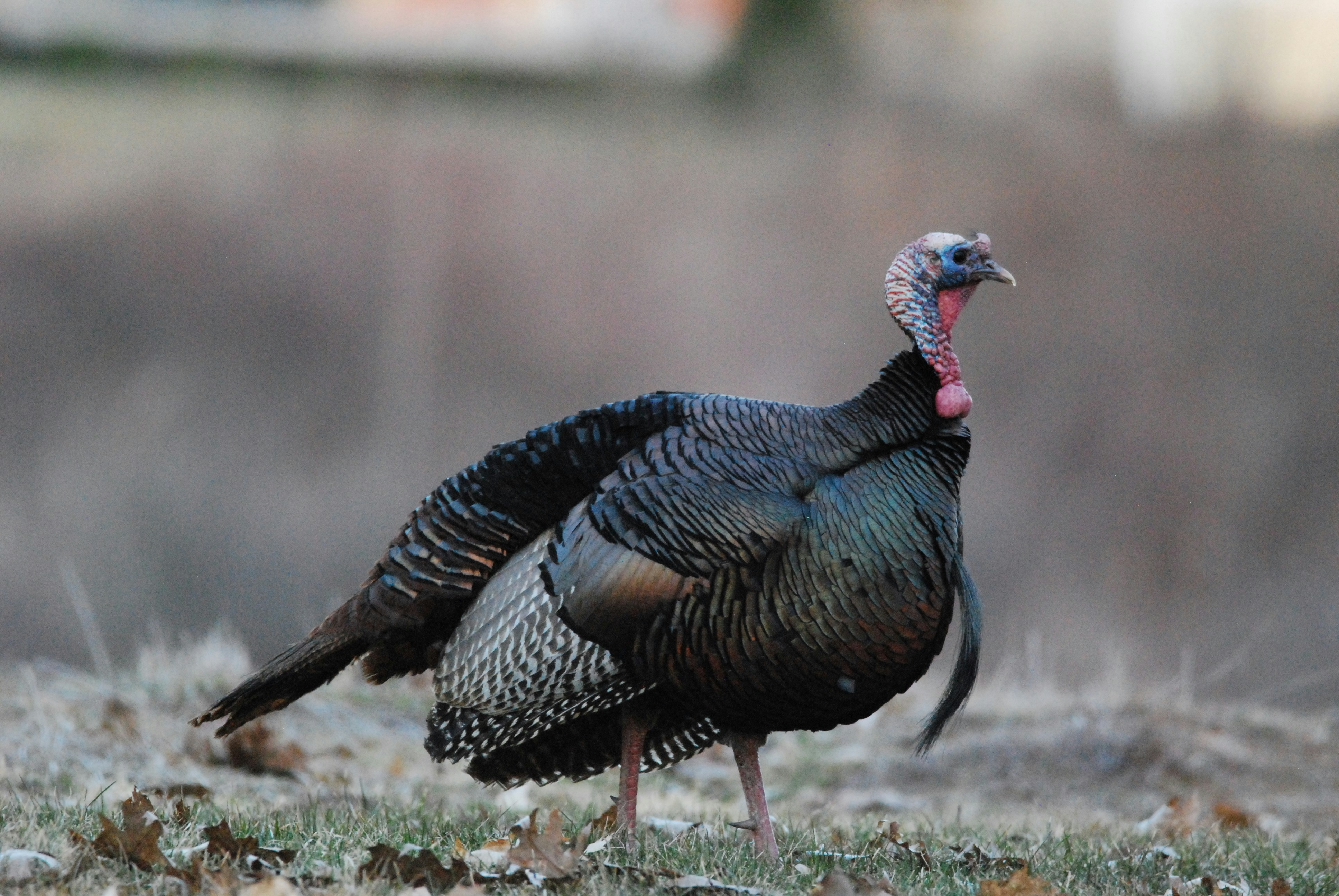
Turkey standing outdoors on a farm

A turkey is a large farm bird. It has feathers, a beak, two wings and two strong legs. A turkey can make a gobbling sound.

Fun Facts About Turkeys

  • A baby turkey is called a poult.
  • A turkey can make a gobbling sound.
  • A male turkey can spread its tail like a fan.
  • Turkeys can walk, run and flap their wings.

Back to farm animals

What Is a Turkey?

A turkey is a bird. It has feathers, breathes air and hatches from an egg.

Turkeys need food, clean water, shelter and room to move.

Home, Food, and Movement

  • Home: a safe, dry farm shelter
  • Food: turkey food, seeds and plants
  • Movement: walks, runs and scratches
  • Sound: gobbles

Easy Practice Sentences

Easy: I see a turkey.

Medium: The turkey walks across the farmyard.

Challenge: The turkey spreads its colourful tail.

Say each sentence aloud and point to the picture.

Activity Idea

Make a colourful turkey picture.

  1. Draw a turkey body in the centre of a sheet of paper.
  2. Add a wide fan of separate tail feathers behind it.
  3. Use patterns, shapes or repeated colours to decorate the feathers.
  4. Tell a grown-up what sound the turkey makes.

This activity supports drawing, pattern making, labelling, vocabulary and close observation.

Turkey Body Parts

  • Beak: helps the turkey pick up food
  • Eyes: help the turkey see
  • Wings: help the turkey flap
  • Feathers: cover the body and keep it warm
  • Feet: help the turkey walk and scratch

Look and Think

  • Which body parts show that a turkey is a bird?
  • What colours and patterns can you see in its feathers?
  • How are the turkey’s legs and feet suited to walking and scratching?
  • Why might a male turkey spread his tail and puff out his feathers?

Learning Safely Around Turkeys

  • Stay with a grown-up.
  • Move calmly, give turkeys space and never chase or tease them.
  • Never chase a turkey or go near its nest.
  • Ask before touching or feeding one.
  • Wash your hands thoroughly after contact with turkeys or their living area and before eating.

Compare and Think

  • Turkey and chicken: both are ground-feeding farm birds, but turkeys are generally larger.
  • Turkey and duck: both have feathers. A duck has webbed feet.
  • Turkey and pig: a turkey has feathers. A pig has hair.

Turkey Words to Learn

  • Poult: a baby turkey
  • Hen: a grown-up female turkey
  • Tom: a grown-up male turkey
  • Gobble: a loud, rolling call associated especially with male turkeys
  • Beak: a turkey’s hard mouth
  • Feather: the soft covering on a turkey
  • Tail: feathers a turkey can spread like a fan

Check understanding

Quick Questions

Say each answer aloud. Then check it with a grown-up.

Q1

What is a baby turkey called?

Answer

A baby turkey is called a poult.

Q2

What is an adult male turkey called?

Answer

An adult male turkey is called a tom.

Q3

What sound does a turkey make?

Answer

A turkey gobbles.

Q4

What covers a turkey’s body?

Answer

Feathers cover its body.

Back to farm animal names Learn about chickens